

British Columbia's landmark public funding program for in vitro fertilization (IVF) has hit a major roadblock, with clinics reporting that the allocated money for the first year has already been exhausted. The program, launched with significant hope this past summer, is now leaving many prospective parents facing indefinite waits and mounting frustration.
Popular Program Meets Funding Reality
The provincial initiative, announced in March 2024 with a two-year budget of $68 million, was designed to provide eligible patients with up to $19,000 to cover one cycle of fertility treatment. However, the overwhelming demand has quickly outpaced the available resources. Dr. Niamh Tallon, an associate physician at the Olive Fertility Centre, confirmed that her clinic can no longer process new applications for this year as it works through a backlog dating to the program's initial announcement.
"From the moment they announced that there would be a limited amount of money, we knew right away that there was just going to be a huge number of people waiting," said Tallon. She noted that delays in establishing eligibility criteria after the March announcement meant the program was effectively oversubscribed by the time it officially launched in July 2025.

Patient Anxiety and Provincial Comparisons
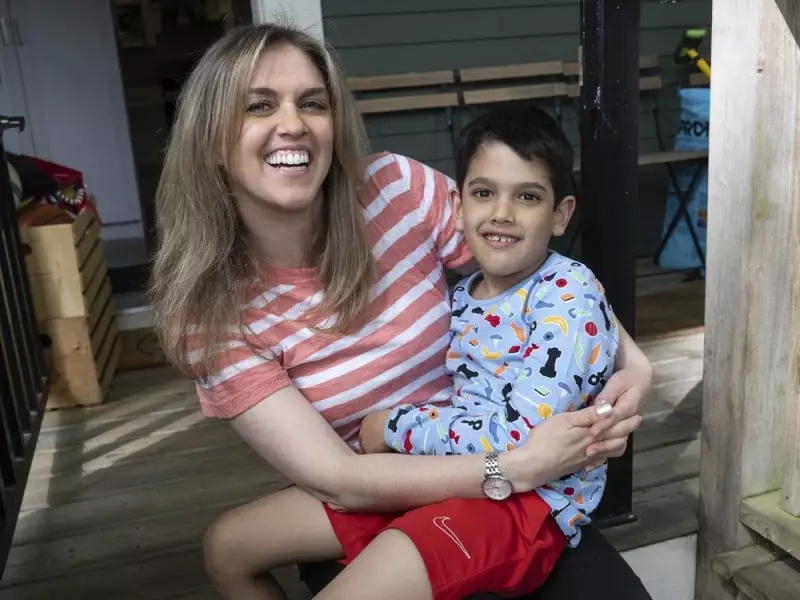
The funding shortfall has created a climate of anxiety for individuals and couples. Advocate and fertility coach Laura Spencer, who had her son Ethan using IVF, says she has been contacted by numerous people struggling to get clear information on wait times or eligibility. Patients like Ally Matos from Mission, who tried to conceive for a decade, were initially hopeful. The high cost of private IVF, ranging from $12,000 to $35,000 per cycle, had been a barrier, making the public program a potential lifeline.
However, Matos and others have been deterred by the complex application process and the uncertainty of success, compounded by the new reality of depleted funds. Dr. Tallon suggested that if her clinic has run out of funding, it is likely the other two clinics in the program—Grace Fertility and the Pacific Centre for Reproductive Medicine—are in the same position. Neither clinic responded to requests for comment on the situation.
Calls for Increased Commitment
The crisis in B.C. stands in stark contrast to commitments in other provinces. Ontario recently announced an additional $150 million over two years to bolster its IVF program, which began in 2015. Dr. Tallon questioned whether B.C.'s effort was viewed as a pilot project, stating, "It’s a pretty small amount of money for this area of medicine, when you compare it to other provinces."
The situation leaves patients in a painful limbo, having had their hopes raised by the promise of public support only to encounter a system already strained by its own popularity and limited financing. The future of the program and whether the provincial government will increase its funding commitment remain critical questions for thousands of British Columbians hoping to build their families.






