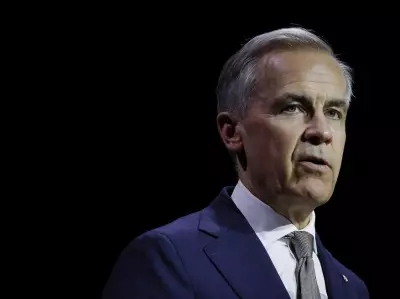
U.S. Vice President J.D. Vance is set to hold a significant diplomatic meeting in Washington on Wednesday, January 14, 2026, with high-ranking officials from Denmark and Greenland. The talks come at a time when public sentiment in Greenland is firmly against any notion of the vast Arctic territory being part of a geopolitical transaction.
A Crucial Meeting on Arctic Relations
The high-level discussions will bring together Vice President Vance, Danish leaders, and representatives from Greenland's government. This meeting underscores the growing strategic importance of the Arctic region in global affairs, particularly concerning security, resource development, and climate policy. The location of the talks in the U.S. capital highlights the priority the American administration places on its northern relationships.
While the official agenda focuses on partnership and shared interests, the context is shaped by a long history of speculation about U.S. interests in Greenland. Past administrations have expressed strategic curiosity about the island, which is an autonomous territory within the Kingdom of Denmark.

Local Voices: Asserting Sovereignty and Identity
Concurrent with the planning of this meeting, a clear message is emanating from Greenland itself: the island is not a commodity. Residents and local leaders have been vocal in recent times, emphasizing their right to self-determination and rejecting any narratives that frame Greenland as an asset to be bought or sold.
This sentiment reflects a strong and growing sense of national identity and sovereignty among Greenland's population. The people are asserting their role as the primary decision-makers regarding their homeland's future, whether in discussions about natural resources, military presence, or international partnerships.
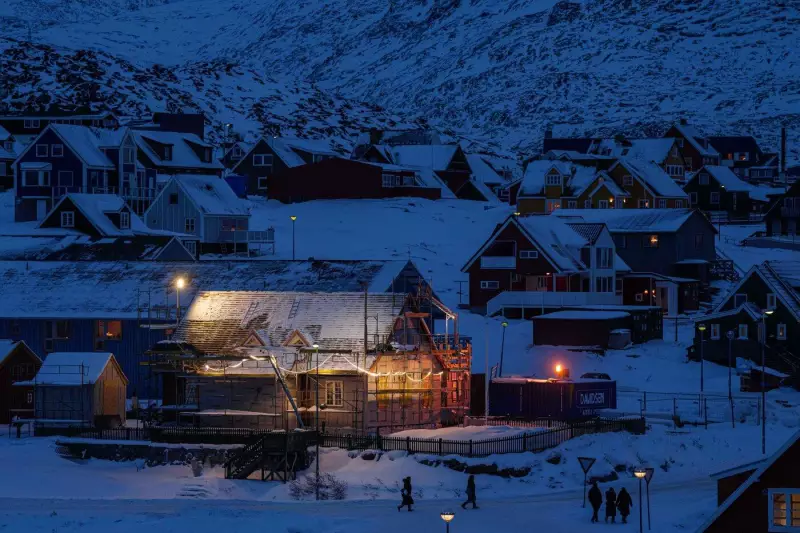
The visual backdrop to this diplomatic activity is Nuuk, Greenland's capital. On Tuesday, January 13, 2026, life proceeded as normal along its streets, a reminder of the vibrant, living community at the heart of these high-stakes discussions.
Broader Implications for Arctic Diplomacy
The outcome of the Washington meeting will be closely watched by other Arctic nations, including Canada, which shares regional interests. It represents a test of modern diplomacy that must balance great-power interests with the rights and aspirations of local populations.
Engaging directly with Greenlandic officials is a necessary step for any foreign power, acknowledging the territory's autonomous government. How Vice President Vance and his team navigate these conversations will set a tone for U.S.-Arctic relations for years to come.
Ultimately, this meeting is more than a routine diplomatic exchange. It is a focal point where global strategy meets local will. The firm stance of Greenlanders serves as a powerful reminder that the future of the Arctic will be shaped not only in capital cities but also by the people who call it home.