In a significant diplomatic development, the United States and Ukraine have reached a consensus on several key issues that are considered essential for bringing an end to the ongoing war. This alignment marks a crucial step forward in international efforts to resolve the conflict, though formidable obstacles related to territorial sovereignty remain firmly in place.
A Foundation for Future Negotiations
The breakthrough in discussions, reported on December 24, 2025, outlines a shared understanding between Washington and Kyiv on the fundamental principles required for a potential peace settlement. While the specific details of the consensus have not been fully disclosed to the public, it is understood to cover critical areas such as security guarantees for a future Ukraine, mechanisms for post-war reconstruction, and pathways for international justice.
This progress suggests that behind-the-scenes diplomacy has intensified, moving beyond public statements to concrete, albeit preliminary, agreements. The consensus provides a foundational framework that could guide more formal negotiations in the future, offering a glimmer of hope after years of devastating warfare.

The Unresolved Core: The Question of Territory
Despite this forward momentum, the path to peace is still blocked by the immensely complex and politically charged issue of territory. Disputes over the status of regions annexed by Russia, including Crimea and territories in eastern Ukraine, continue to represent the most significant barrier to a final agreement.
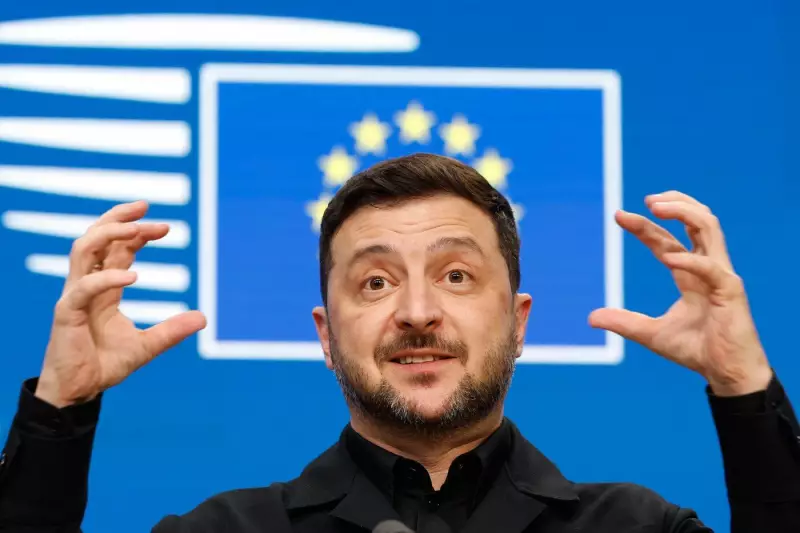
Ukrainian President Volodymyr Zelenskyy has consistently maintained that restoring the country's territorial integrity within its internationally recognized borders is a non-negotiable condition for peace. The recent consensus with the U.S. does not appear to have bridged the gap between this stance and the current realities on the ground, indicating that the most difficult discussions are still ahead.
Implications and the Road Ahead
The alignment between the U.S. and Ukraine strengthens their unified front as any potential future negotiations approach. It signals to other international actors, including Russia, that the core partnership supporting Ukraine remains solid on strategic objectives. However, it also highlights the delicate balance diplomats must strike between establishing a workable peace and upholding the principles of sovereignty.
Analysts suggest that while consensus on key issues is a positive step, the enduring territorial disputes mean a swift end to the war is unlikely. The development sets the stage for what will undoubtedly be protracted and difficult talks, where compromises on land, security, and justice will be intensely scrutinized by all sides involved and the global community watching closely.
The world will now observe how this newly reported consensus influences the diplomatic landscape and whether it can create an opening for more direct dialogue aimed at finally silencing the guns in Eastern Europe.