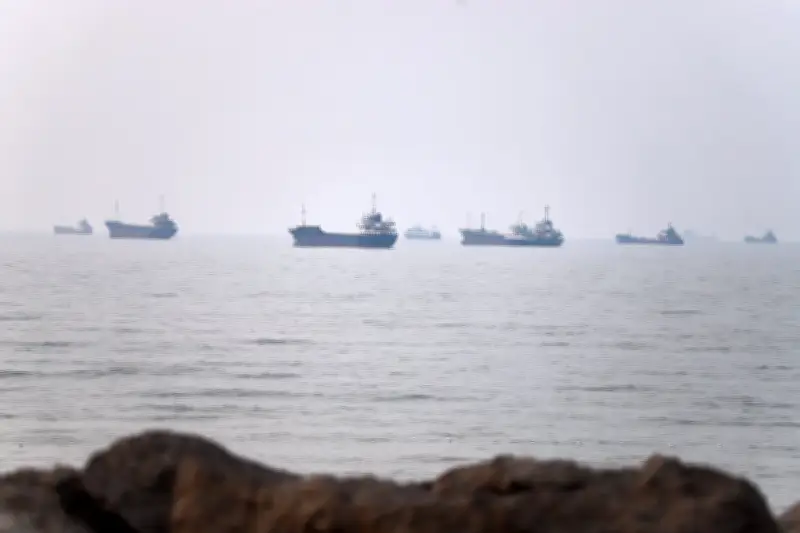
The United States is actively seeking a formal pledge from Iran to ensure the continued free passage of vessels through the Strait of Hormuz, a vital maritime corridor for global oil supplies. The diplomatic push comes amid heightened tensions following the death of Iran's leader, which military analysts warn could destabilize the region further.
Strategic Importance of the Strait
The Strait of Hormuz, located between Iran and Oman, handles about 20% of the world's oil shipments, making it a critical chokepoint for global energy markets. Any disruption could trigger significant price spikes and supply shortages. The U.S. initiative aims to secure a binding commitment from Tehran to avoid any blockade or harassment of commercial shipping.
Regional Fallout After Leader's Death
Military analyst John Spencer described the death of Iran's leader as 'a cognitive blow' that could risk spreading war throughout the region. The uncertainty has prompted the U.S. to engage directly with Iranian officials to de-escalate tensions and maintain the flow of oil. According to a State Department spokesperson, the U.S. is 'pursuing all diplomatic channels to ensure the strait remains open and secure.'

Broader Implications
China, a major importer of Middle Eastern oil, has also called for stability in the region. Meanwhile, Iran's new leadership faces internal pressure to assert control over the strait, a strategic asset. The outcome of these talks could have far-reaching effects on global energy prices and geopolitical alliances.