U.S. and Iran Hold Indirect Talks to De-escalate Middle East Tensions
In a significant diplomatic development, Iran and the United States engaged in indirect talks on Friday, aimed at reducing escalating tensions that have raised fears of a potential war in the Middle East. The discussions, mediated by Oman in its capital Muscat, mark the initial phase of what Tehran describes as a longer diplomatic process.
Mediators Outline Focus of Consultations
Oman's Foreign Ministry, which facilitated the talks, released a statement indicating that the consultations centered on "creating the appropriate conditions for the resumption of diplomatic and technical negotiations." This suggests a preparatory effort to lay the groundwork for more substantive future discussions between the two nations.
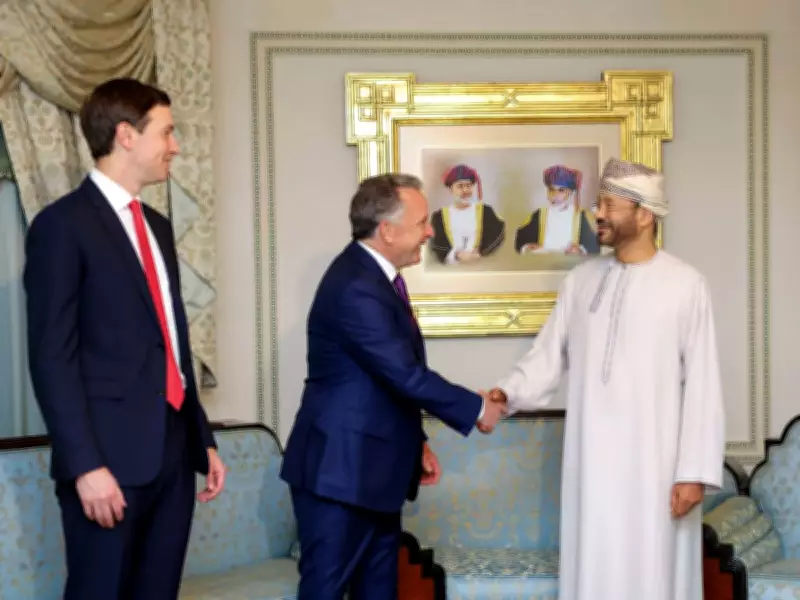
Omani Foreign Minister Badr Albusaidi held separate meetings with the Iranian delegation, led by counterpart Abbas Araghchi, and the U.S. team, which included special envoy Steve Witkoff and Jared Kushner, son-in-law of President Donald Trump.

Iran's Approach and Priorities
According to reports from Iran's state-run Islamic Republic News Agency (IRNA), the talks began with Araghchi presenting a preliminary plan for "managing the current situation" and advancing negotiations with the U.S. Iranian state television confirmed that a second round of consultations was underway, although the U.S. has not yet issued an official comment on the proceedings.
Ahead of the meetings, Tehran emphasized that the discussions would address "broad topics" rather than finer details, with expectations that they would clarify a roadmap for further negotiations. Iran's main priorities include assessing the other side's goodwill and seriousness, with the roadmap set to become clearer once this round concludes.
Economic and Security Implications
The heightened tensions have had tangible economic repercussions, particularly in global oil markets. Brent crude oil prices have surged approximately 12 percent this year, largely due to concerns about a new conflict in the Middle East. On Friday, Brent crude rose 1.1 percent to US$68.13 a barrel in early trading.
Security concerns are also mounting, with some supertanker operators reportedly speeding their vessels through the Strait of Hormuz due to nervousness about rising U.S.-Iran tensions and potential risks to shipping. Additionally, Iran seized two small oil tankers in the Persian Gulf on Thursday, suspected of smuggling fuel, with authorities finding around 6,300 barrels of illicit fuel aboard.
Ongoing Threats and Regional Dynamics
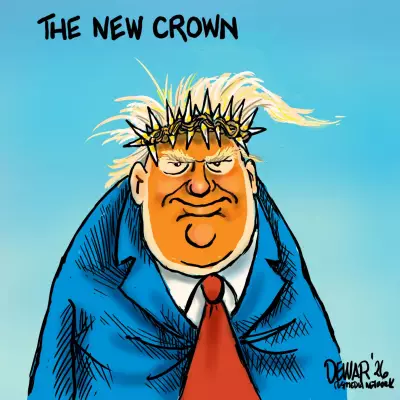
Despite the diplomatic efforts, the threat of military action looms large. President Trump has threatened Tehran with military strikes if it does not agree to a deal, while Iran has warned that any attack would trigger a regional war involving Israel and the U.S. In a related move, the U.S. urged its citizens in Iran to leave or stockpile food and water if unable to do so, though the number of Americans remaining in the country is likely small.
Trump's objectives have evolved from assurances on the safety of Iranian protesters, who staged mass anti-government demonstrations in December and January, to a broader deal aimed at constraining Tehran's nuclear and ballistic missile programs. Analysts note that U.S. strikes on Iran remain a possibility, underscoring the fragile nature of these diplomatic overtures.
As the indirect talks continue, the international community watches closely, hoping for a de-escalation that could stabilize the volatile region and mitigate economic disruptions. The outcome of these consultations could set the tone for future negotiations and potentially reshape Middle East geopolitics.