U.S. Diplomats Advocate for Progression in Gaza Ceasefire Process
American envoys have intensified diplomatic efforts, urging Israeli Prime Minister Benjamin Netanyahu to advance the current ceasefire agreement with Hamas into its second, more substantive phase. This push comes as the fragile truce in the Gaza Strip faces ongoing challenges and international scrutiny.
Diplomatic Pressure Amidst Ongoing Conflict
The reported diplomatic initiative underscores the United States' continued engagement in seeking a durable resolution to the conflict. While specific details of the proposed "second phase" remain under discussion, it is generally understood to involve more permanent ceasefire arrangements, potential prisoner exchanges, and addressing underlying humanitarian issues in Gaza.
This development follows a period of intense hostilities that have resulted in significant casualties and widespread destruction. The call for progression reflects a strategic effort to build upon the initial pause in fighting and move towards a more stable, long-term de-escalation.

The Context of Regional Tensions
The U.S. diplomatic push occurs within a complex regional landscape. Other news items highlight various global and domestic issues, from extreme weather events affecting travel to political developments in Quebec and trade tensions involving former U.S. President Donald Trump. However, the situation in Gaza remains a focal point of international foreign policy and humanitarian concern.
The urgency conveyed by American officials suggests a window of opportunity that diplomatic circles are keen to leverage. Moving beyond a temporary halt in violence to a structured next phase is seen as critical for preventing a rapid return to full-scale conflict.
Challenges and Humanitarian Considerations
Transitioning the ceasefire involves navigating deeply entrenched positions on both sides. Key challenges include:
- Ensuring the security concerns of Israel are addressed.
- Facilitating the delivery of substantial humanitarian aid to Gaza's civilian population.
- Managing the political dynamics within the Israeli government and the Palestinian factions.
- Coordinating with regional partners and international bodies to support the process.
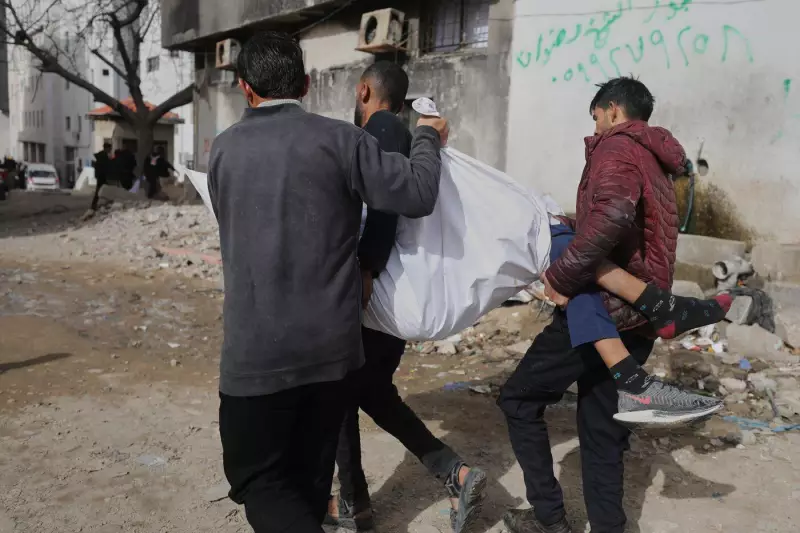
The humanitarian situation in Gaza, underscored by reports of casualties such as the death of 15-year-old Mohammad Zawara mentioned in related coverage, adds a pressing moral dimension to the diplomatic calculus. A successful shift to a second phase would ideally create conditions for more effective aid delivery and reconstruction efforts.
As this diplomatic effort unfolds, observers will be watching closely for signals from the Israeli government regarding its willingness to engage with the proposed next steps. The outcome could significantly influence the trajectory of the Israel-Hamas conflict and the broader stability of the Middle East region in the coming months.