In a stunning geopolitical development that has sent shockwaves through international relations, the United States has announced it is taking control of Venezuela's vast oil reserves. The move comes alongside the dramatic capture of the country's leader, Nicolas Maduro, and his wife in a military operation.
A Dramatic Capture and a Bold Claim
The events unfolded on January 03, 2026, marking a significant escalation in the long-standing tensions between Washington and Caracas. U.S. authorities confirmed they successfully apprehended Venezuelan President Nicolas Maduro and his spouse. The operation, described as swift and decisive, has paved the way for the U.S. to assert control over Venezuela's critical petroleum assets, one of the largest proven oil reserves in the world.
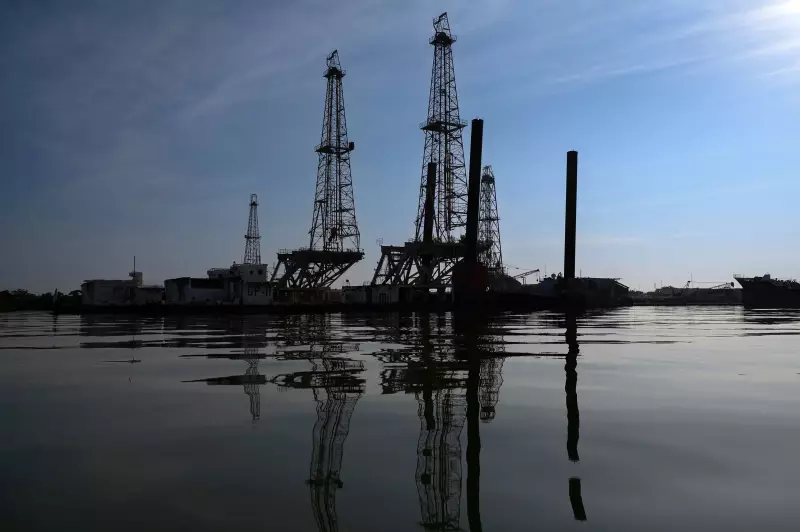
This action represents a direct intervention in Venezuela's sovereign affairs and its lucrative energy sector. The U.S. government has stated its intention to prosecute the captured leader, though specific charges have not been fully detailed in initial reports. The seizure of oil infrastructure, including refineries like the Petroleos de Venezuela Bajo Grande Refinery at the Paraguana Refinery Complex, signifies a tangible shift in the control of the nation's primary economic resource.

Canada's Diplomatic Response
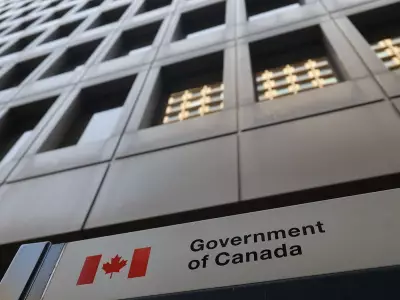
The international community is now grappling with the ramifications of this unprecedented action. Canada's foreign minister has issued a formal response to the U.S. capture of Nicolas Maduro. While the full content of the statement was not detailed in the initial bulletin, Canada's reaction is being closely watched as a key ally of the United States and a nation with its own significant interests in global energy markets and international law.
This development places Canada and other nations in a delicate diplomatic position, balancing concerns over Venezuela's political turmoil and human rights record with principles of national sovereignty and non-intervention. The Canadian response will likely address the legality of the U.S. operation, the humanitarian implications for the Venezuelan people, and the future stability of the region.
Broader Implications and Global Context
The seizure of Venezuela's oil reserves by a foreign power is an event without modern precedent and is set to redefine geopolitical dynamics in the Western Hemisphere. It directly impacts global oil supply chains, international security doctrines, and the framework of diplomatic relations. The move could lead to volatile fluctuations in global energy prices and provoke strong reactions from other oil-producing states and international bodies.
Furthermore, the planned prosecution of a sitting head of state captured by another country's military raises profound legal and ethical questions. It sets a new and controversial benchmark for international enforcement actions. The situation remains fluid, with the potential for significant unrest within Venezuela and diplomatic fallout across continents.
As the world reacts, all eyes are on the next steps from the U.S. administration, the fate of the Maduros, and the coordinated response from allies and international organizations. The events of January 2026 have undoubtedly opened a new and uncertain chapter in global affairs.