The United States has characterized recent high-level discussions with Ukraine and European partners regarding a potential resolution to the ongoing war with Russia as constructive, signaling a possible diplomatic opening amid the prolonged conflict.
High-Level Engagement in Moscow
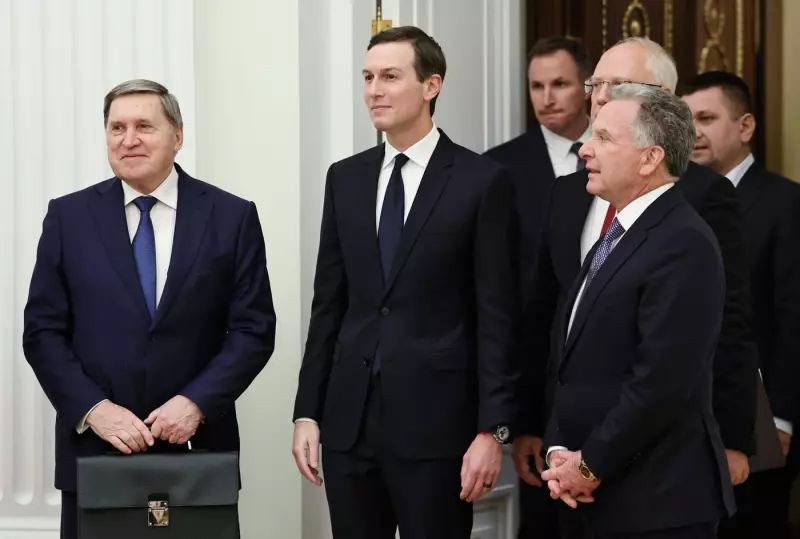
The assessment follows a significant meeting in Moscow on December 2, 2025. A U.S. delegation, led by special envoy Steve Witkoff and including Jared Kushner, son-in-law to U.S. President Donald Trump, engaged in talks with Russian President Vladimir Putin. The discussions, held at the Senate Palace within the Kremlin, also involved key Russian officials such as foreign policy adviser Yuri Ushakov and investment fund CEO Kirill Dmitriev.
This face-to-face dialogue represents a notable moment in international efforts to find a political solution to a war that has dragged on for years, with devastating humanitarian and global economic consequences.

Multilateral Consultations Underway
While the Moscow talks provided a direct channel to the Kremlin, the U.S. State Department emphasized that the constructive nature of the talks extends to parallel consultations with Ukrainian leadership and European allies. The multi-pronged approach suggests a coordinated effort to align positions and explore viable pathways to de-escalation.
The involvement of European nations is considered critical, given their geographic proximity, deep economic and security ties to Ukraine, and the broader impact of the war on continental stability and energy security.
A Cautious Path Forward
Labeling the talks as constructive is a deliberate diplomatic term, indicating progress without implying a breakthrough or a finalized agreement. It acknowledges that channels of communication are open and working, but significant hurdles undoubtedly remain.
The core issues of territorial sovereignty, security guarantees, and post-war reconstruction are immensely complex. The U.S. statement, made on December 21, 2025, carefully manages expectations while affirming a continued commitment to a diplomatic resolution. The world will be watching closely to see if this constructive dialogue can evolve into a concrete and sustainable peace framework.