In a significant diplomatic move, senior Turkish officials have conducted a visit to Syria. This high-level engagement comes at a critical juncture, as a looming deadline pressures Kurdish-led groups in northern Syria to integrate with Syrian government forces.
A High-Stakes Diplomatic Mission
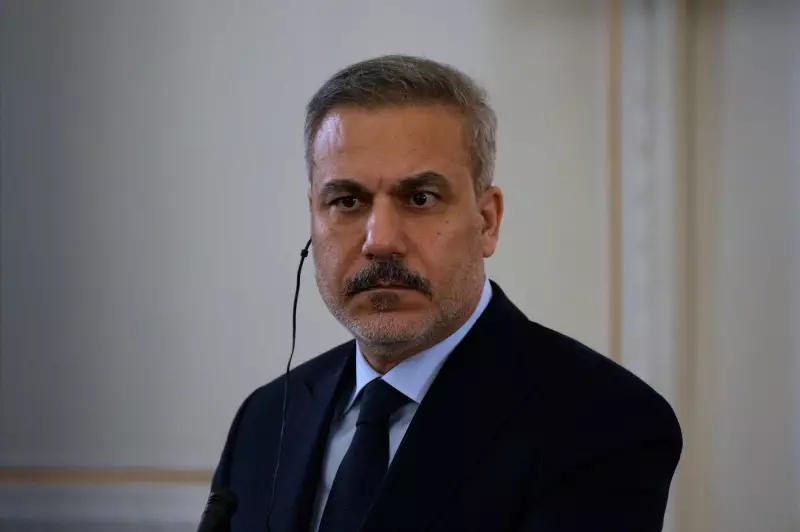
The delegation was led by Turkish Foreign Minister Hakan Fidan, a key architect of Ankara's foreign policy. The visit, which took place on December 22, 2025, underscores Turkey's direct involvement in the complex Syrian geopolitical landscape. The timing is not coincidental, as it precedes a crucial deadline that could alter the balance of power in the region.
Turkey has long viewed the presence of Kurdish militias, specifically the People's Protection Units (YPG), along its southern border as a national security threat. Ankara associates these groups with the Kurdistan Workers' Party (PKK), which it designates as a terrorist organization. The impending deadline for these groups to disband or integrate is a central point of tension.

The Impending Kurdish Integration Deadline
The core issue driving this diplomatic activity is a deadline for Kurdish-led forces to integrate into the Syrian Arab Army. This condition has been pushed by the Syrian government in Damascus and its allies. Failure to comply could lead to renewed military confrontation in areas currently controlled by the Syrian Democratic Forces (SDF), a coalition dominated by the YPG.
For Turkey, the integration or dissolution of these Kurdish units is a primary objective. The visit by Minister Fidan and other officials is widely seen as an effort to coordinate strategies with Syrian authorities and potentially other regional actors to ensure an outcome that aligns with Turkish security interests. Ankara seeks to prevent the establishment of a permanent autonomous Kurdish region on its doorstep.
Regional Repercussions and Future Implications
This diplomatic maneuver has significant implications for the broader Middle East. It highlights the shifting alliances and ongoing negotiations that continue to shape Syria's future beyond its civil war. The involvement of other regional powers, including Iran and Russia, who also have stakes in Syria's stability, adds layers of complexity to the situation.
The outcome of this deadline and Turkey's direct engagement could determine the security framework for northern Syria. A successful integration or negotiated settlement might reduce immediate conflict but could also lead to long-term political restructuring. Conversely, a breakdown in talks may trigger a new wave of instability, affecting humanitarian conditions and regional security. The world is watching as December 2025 proves to be a pivotal month for Syrian-Turkish relations and the fate of Kurdish groups in the region.