Trump's Iran Strike Sends Strategic Warning to China, Podcast Analysis Reveals
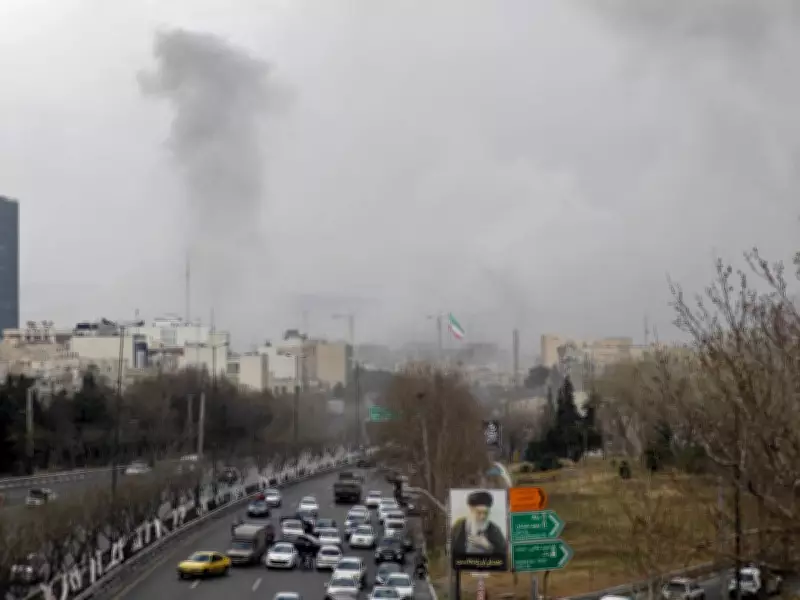
The recent U.S. military action against Iran under President Donald Trump carries significant implications beyond the immediate Middle East conflict, with experts highlighting its strategic targeting of China. According to analysis from the Full Comment podcast, the strike serves as a clear message to Beijing about American resolve in confronting adversarial aggression.
Iran's Nuclear Ambitions and Regional Threats
Tehran's accelerated nuclear weapons program has created unacceptable risks for the United States, Israel, and other nations. The regime's continued terrorism sponsorship and brutal tactics have only intensified regional instability. Of particular concern is Iran's development of weapons capable of reaching European territories, representing a growing and grave international security threat.
China's Energy Security at Stake
As multiple guests on the podcast episode emphasized, the conflict with Iran extends to other global powers, most notably China. Beijing faces the potential loss of another crucial supplier of inexpensive oil that has been fueling its economic ambitions and geopolitical expansion. This development threatens to disrupt China's carefully calibrated energy strategy and economic growth projections.

Geopolitical Messaging Through Military Action
The military strike represents more than just a response to Iranian provocations. It functions as a strategic communication from the Trump administration to Chinese leadership, demonstrating that the United States will not tolerate aggressive actions from adversaries. This move reinforces American commitment to maintaining global security architecture and challenging nations that threaten international stability.
Expert Perspectives on the Conflict
The podcast features comprehensive analysis from distinguished experts including:
- John Bolton, former presidential national security advisor
- Rick Hillier, Canada's former chief of the defence staff
- Jonathan Panikoff, former U.S. intelligence officer
- Eylon Levy, former Israeli government spokesman
- Vivian Bercovici, former ambassador to Israel
- Adam Zivo, Postmedia correspondent reporting from Tel Aviv
These experts provide nuanced perspectives on how the Iran conflict intersects with broader geopolitical competition, particularly the strategic rivalry between the United States and China. Their analysis suggests that Middle Eastern conflicts increasingly serve as proxy arenas for larger global power struggles.
Regional and Global Implications
The military action and its secondary targeting of China signal several important developments:
- Energy market volatility as alternative oil suppliers become increasingly important
- Heightened tensions in U.S.-China relations beyond traditional trade disputes
- Complex diplomatic challenges for nations navigating between competing global powers
- Potential realignment of Middle Eastern alliances based on energy and security considerations
The podcast, recorded between February 27 and March 1, 2026, provides timely analysis of these unfolding geopolitical dynamics as they continue to shape international relations and global security architecture.