Trump's Greenland Aspiration: A New Geopolitical Challenge for Canada
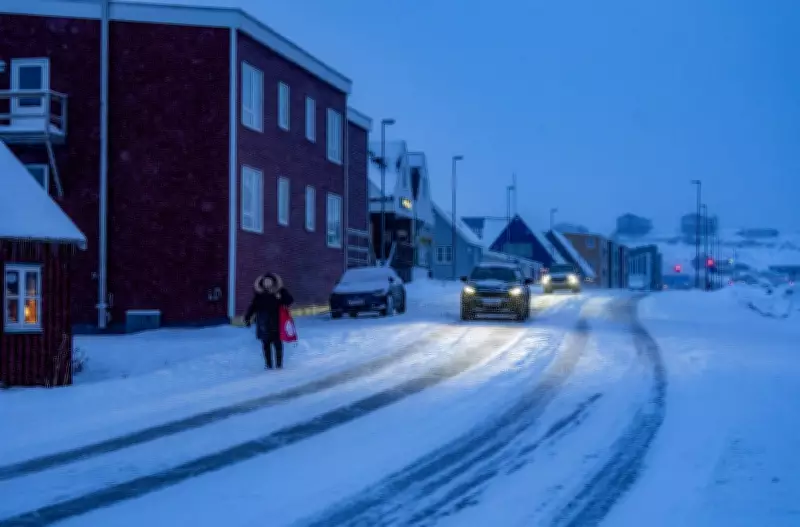
The recent revelation of former U.S. President Donald Trump's renewed interest in acquiring Greenland has sent ripples through diplomatic circles, particularly in Canada. This development comes at a time when Foreign Affairs Minister Mélanie Joly is scheduled to open a new Canadian consulate in Nuuk, Greenland's capital, highlighting the strategic importance Ottawa places on its relationship with the autonomous Danish territory.
Historical Context and Contemporary Significance
The notion of American acquisition of Greenland is not entirely new. In 2019, during his presidency, Trump publicly floated the idea of purchasing the world's largest island, drawing swift rebukes from Danish officials who called the proposal "absurd." However, the persistence of this ambition into 2026 suggests a deeper, more calculated interest in the Arctic region's strategic value.
For Canada, Greenland represents more than just a neighboring territory. The two share significant maritime boundaries in the Arctic, collaborate on scientific research, and face similar challenges related to climate change and Indigenous rights. Any shift in Greenland's political status would directly impact Canada's northern security and economic interests.

Strategic Implications for Canadian Sovereignty
The potential American interest in Greenland raises several critical concerns for Canadian policymakers:
- Arctic Security: Increased U.S. military presence in Greenland could alter the delicate balance of power in the Arctic, potentially complicating Canada's claims to sovereignty in the Northwest Passage.
- Resource Competition: Greenland possesses substantial mineral resources, including rare earth elements crucial for modern technology. American control could shift access dynamics for Canadian mining interests.
- Environmental Stewardship: Both Canada and Greenland face accelerating climate impacts in the Arctic. Coordinated environmental protection efforts might be disrupted by changed political dynamics.
- Indigenous Relations: The Inuit populations in both northern Canada and Greenland share cultural ties that could be affected by geopolitical shifts.
Canada's Diplomatic Response
The timing of Minister Joly's consulate opening in Nuuk appears strategically significant, reinforcing Canada's commitment to maintaining strong bilateral relations with Greenland regardless of external pressures. This diplomatic move serves multiple purposes:
- Demonstrating Canada's recognition of Greenland's growing autonomy within the Kingdom of Denmark
- Establishing a permanent diplomatic presence to monitor developments and protect Canadian interests
- Strengthening people-to-people connections between northern Canadian communities and Greenland
- Providing a platform for enhanced cooperation on Arctic research and environmental monitoring
Broader Geopolitical Context
This development occurs against a backdrop of increasing great power competition in the Arctic region. Russia has been significantly expanding its military infrastructure in its northern territories, while China has declared itself a "near-Arctic state" and invested heavily in polar research. The United States' interest in Greenland can be seen as part of this broader strategic repositioning.
For Canada, maintaining stable relationships with all Arctic neighbors while asserting its sovereignty claims presents a delicate balancing act. The country's recent investments in northern defense infrastructure, including the modernization of NORAD and expansion of the Canadian Rangers, reflect growing awareness of the region's strategic importance.
Looking Forward
While the practical likelihood of the United States acquiring Greenland remains uncertain, the mere discussion of such possibilities forces Canada to reevaluate its Arctic strategy. Key considerations moving forward include:

- Strengthening bilateral agreements with Greenland on environmental protection and resource management
- Enhancing coordination with Denmark on Arctic policy matters
- Investing in northern infrastructure to support Canadian sovereignty claims
- Developing contingency plans for various geopolitical scenarios in the region
The opening of Canada's consulate in Nuuk represents a proactive step in this direction, but sustained diplomatic engagement and strategic planning will be essential as the Arctic continues to gain geopolitical significance in the coming years.