In a significant shakeup of the United States foreign service, President Donald Trump has removed nearly thirty career diplomats from their ambassadorial posts. The move, reported by The Associated Press on December 21, 2025, represents a major shift in diplomatic personnel under the Trump administration.
A Sweeping Diplomatic Overhaul
The decision, which was confirmed on Sunday, December 21, 2025, targets diplomats who have built their careers within the State Department. Unlike political appointees, these individuals are non-partisan foreign service officers selected through a rigorous merit-based system. Their sudden removal from key ambassador roles around the world signals a profound change in how the administration views traditional diplomatic channels.
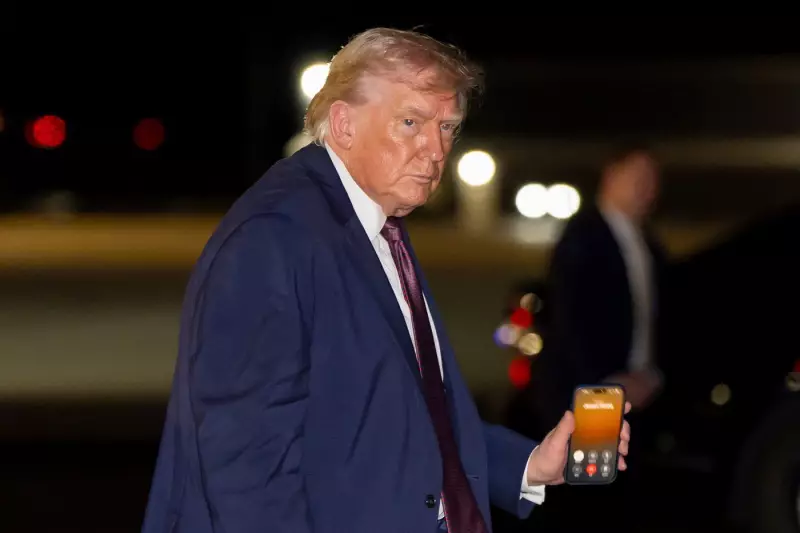
The scale of the dismissals—affecting nearly thirty senior officials—is unprecedented in recent history. It follows a pattern of the Trump administration prioritizing political loyalty and a business-oriented approach over established foreign service expertise. This action was taken as the President was photographed departing on Air Force One from Rocky Mount-Wilson Regional Airport in Elm City, North Carolina, on Friday, December 19, 2025.

Potential Consequences and Expert Reactions
Foreign policy analysts are warning that this mass removal could create immediate instability in bilateral relationships and disrupt ongoing negotiations. The vacancies left by these experienced diplomats may take considerable time to fill, potentially leaving critical posts without seasoned leadership.
Experts have also suggested that this move, coupled with the Trump administration's broader skepticism of established institutions, could have a ripple effect north of the border. Some specialists have indicated that the shutdown of climate research centres and a perceived hostility towards scientific expertise in the U.S. could push more researchers and diplomats to consider opportunities in Canada. This potential brain gain for Canada would align with its efforts to position itself as a stable leader in multilateral diplomacy and climate science.
A New Direction for U.S. Foreign Policy
This decisive action underscores President Trump's continued commitment to an "America First" foreign policy, often challenging conventional diplomatic norms. By replacing career officials, the administration likely aims to install ambassadors who align more closely with its political and economic objectives, including its stance on trade wars and bilateral deals.
The long-term impact of this diplomatic purge remains to be seen. It raises questions about the future of institutional knowledge within the U.S. State Department and how America's allies and adversaries will respond to a diplomatic corps undergoing such rapid transformation. For Canada and other international partners, navigating this new landscape may require adapting to a less predictable and more politically-driven U.S. foreign service.