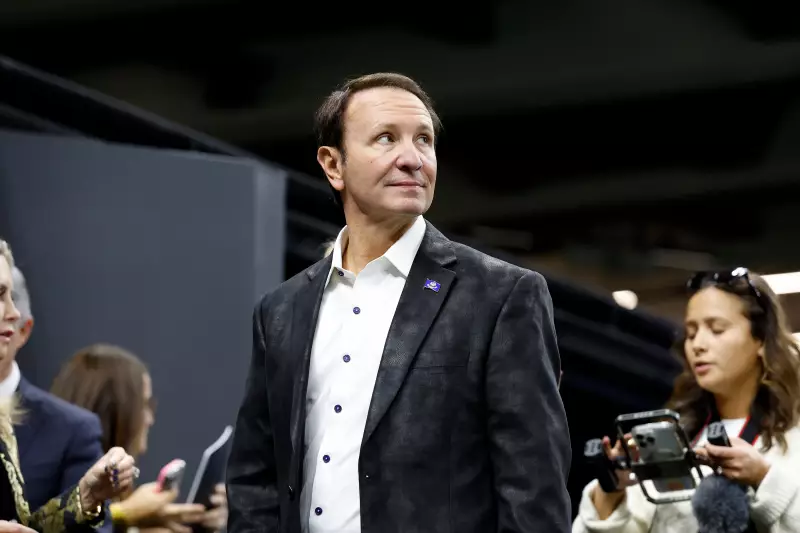
In a move that has reignited a controversial foreign policy ambition from his first term, former President Donald Trump has appointed a new special envoy with a clear directive: to explore the possibility of making Greenland a part of the United States.
A Renewed Geopolitical Ambition
The appointment, confirmed on December 22, 2025, signals a formal revival of an idea that captivated and confounded observers during Trump's presidency. The concept of the U.S. acquiring the world's largest island, an autonomous territory of the Kingdom of Denmark, was publicly floated by Trump in 2019. At the time, the suggestion was swiftly rebuffed by Danish leadership, who called the notion "absurd."
By naming a dedicated envoy, Trump is institutionalizing this goal, moving it from rhetorical speculation to a structured diplomatic initiative. The envoy's specific mandate is to assess the feasibility, negotiate potential terms, and lay the groundwork for what would be one of the most significant territorial acquisitions in modern history.

Strategic and Resource Motivations
Analysts point to several strategic drivers behind the persistent interest in Greenland. The island holds vast untapped reserves of rare earth minerals, crucial for modern technology and electric vehicles, reducing dependency on Chinese supply chains. Furthermore, its geographic position in the Arctic is of immense military and economic importance as melting ice opens new shipping routes and reveals resource-rich seabeds.
The appointment underscores a continued "America First" approach to resource security and global positioning. Controlling Greenland would grant the U.S. unparalleled access and influence in the rapidly evolving Arctic region, a zone of increasing competition with Russia and China.
Diplomatic Hurdles and Reactions
The path to any acquisition remains fraught with monumental diplomatic challenges. Greenland, while self-governing in domestic affairs, has its foreign and security policy handled by Denmark. Both the government in Nuuk and in Copenhagen have historically shown zero interest in selling the territory.
The 2019 episode caused a minor diplomatic rift, with Denmark cancelling a planned presidential visit. The renewed push via a special envoy is likely to be met with similar, if not stronger, resistance. It also raises questions about the self-determination of Greenland's 56,000 inhabitants, whose consent would be a fundamental ethical and political hurdle.
This development is certain to be watched closely by allies and adversaries alike, marking a bold and unconventional stroke in Trump's geopolitical strategy as he positions himself for the future.