In a significant diplomatic development early in 2026, former U.S. President Donald Trump has extended an invitation to Japanese Prime Minister Sanae Takaichi for an official visit to the United States. The invitation comes at a time of notable strain in Japan's bilateral relationship with China, adding a layer of geopolitical context to the planned engagement.
A Strategic Invitation Amid Regional Tensions
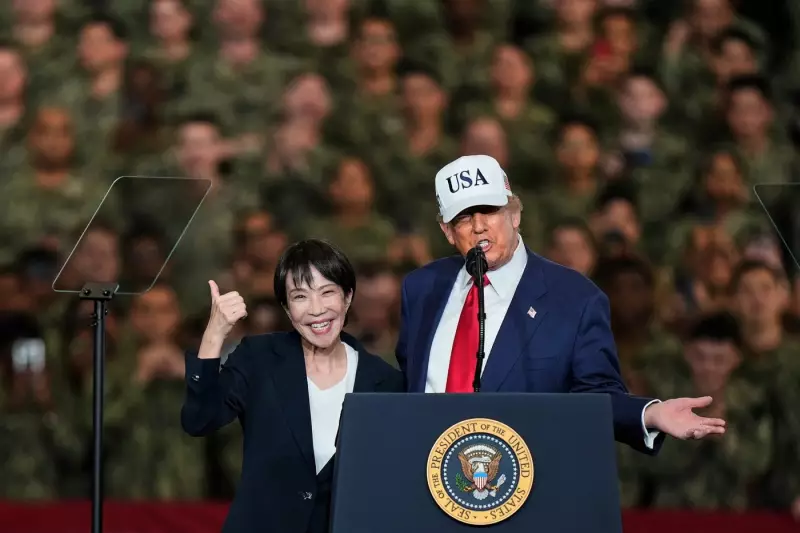
The invitation was confirmed by Japanese officials on January 2, 2026. While specific dates for the visit have not yet been publicly disclosed, the move signals a continued effort to strengthen the U.S.-Japan alliance. This development follows a previous meeting between the two leaders in late 2025, when they visited the USS George Washington aircraft carrier at the U.S. Navy's Yokosuka base in Japan.
That October 2025 visit, documented in an Associated Press photograph, highlighted the security cooperation between the two nations. The new invitation suggests a desire to build upon that foundation through direct talks on American soil.

Navigating Complex Relations with China
The political backdrop for this invitation is increasingly complex. Relations between Japan and its neighbour, China, are currently described as strained. While the original report does not specify the exact causes of this tension, it typically involves longstanding regional disputes, trade issues, and strategic competition in the Indo-Pacific.
A high-profile visit between the Japanese Prime Minister and the U.S. President is likely to be closely watched in Beijing. Such meetings often serve to reaffirm security commitments and discuss shared concerns, which can influence the diplomatic calculus across the region.
Implications for Global Diplomacy in 2026
This planned visit underscores the enduring importance of the U.S.-Japan partnership in global foreign policy. As both nations navigate a shifting international landscape, maintaining close coordination remains a priority for their respective leaderships.
For Prime Minister Takaichi, the trip represents a key opportunity to discuss critical bilateral issues face-to-face with President Trump. The outcomes of their discussions could have significant ramifications for trade, security policy, and the broader stability of the Asia-Pacific region as 2026 unfolds.
The diplomatic gesture reaffirms that, despite internal political cycles, the strategic alliance between Washington and Tokyo continues to be a cornerstone of foreign policy for both capitals, especially during periods of regional uncertainty.