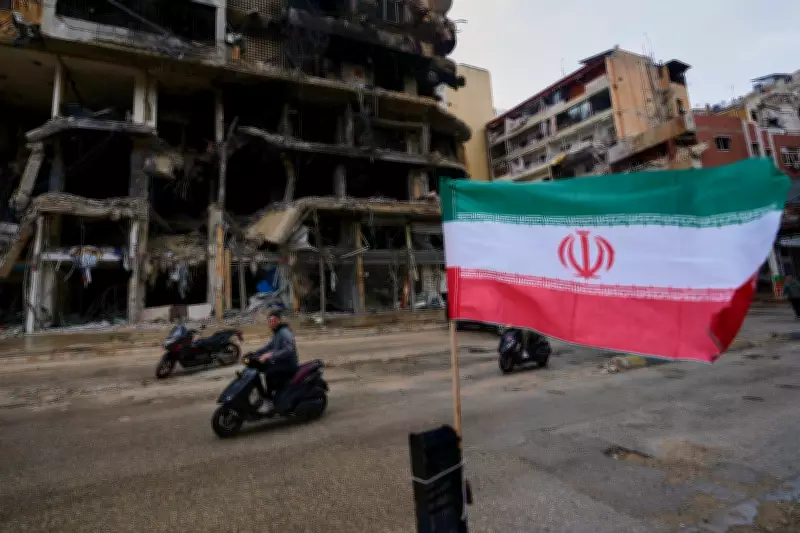
US President Donald Trump is preparing to dispatch envoys to Islamabad as Iran firmly rejects any direct talks with Washington, escalating diplomatic tensions in the Middle East. The decision comes amid a series of confrontations in the Strait of Hormuz, where Iranian forces have fired on cargo ships despite a US ceasefire extension.
Escalating Conflict in the Strait of Hormuz
Iranian military actions have been described as "acting like pirates, acting like terrorists" by US Defense Secretary Pete Hegseth, referencing the blockade and attacks on commercial vessels. The US has accused Iran of destabilizing regional security, while Tehran insists its actions are defensive.
US Military Readiness Concerns
Hegseth also noted that the US military is at its "lowest point" of inventory readiness, raising questions about America's capacity to sustain a prolonged conflict. This has fueled uncertainty over the possibility of peace talks, with analysts calling the situation "still anyone's guess."

Diplomatic Outreach to Pakistan
By sending envoys to Islamabad, Trump aims to leverage Pakistan's influence with Iran to de-escalate tensions. Pakistan has historically maintained diplomatic ties with both nations, positioning it as a potential mediator. However, Iran's refusal to engage directly with the US complicates this effort.
Broader Regional Implications
The conflict has drawn in other players, including Venezuela and Colombia, which recently pledged military cooperation in a post-Maduro era. Meanwhile, Canada's Manitoba province has threatened to halt US liquor sales unless Trump drops tariffs and releases Epstein files, highlighting the interconnected nature of global politics.
Domestic and International Reactions
In the US, the situation has sparked debates about military strategy and diplomatic priorities. Experts warn that without a clear path to negotiations, the risk of wider conflict remains high. The coming weeks will be critical in determining whether the envoy mission can break the diplomatic impasse.