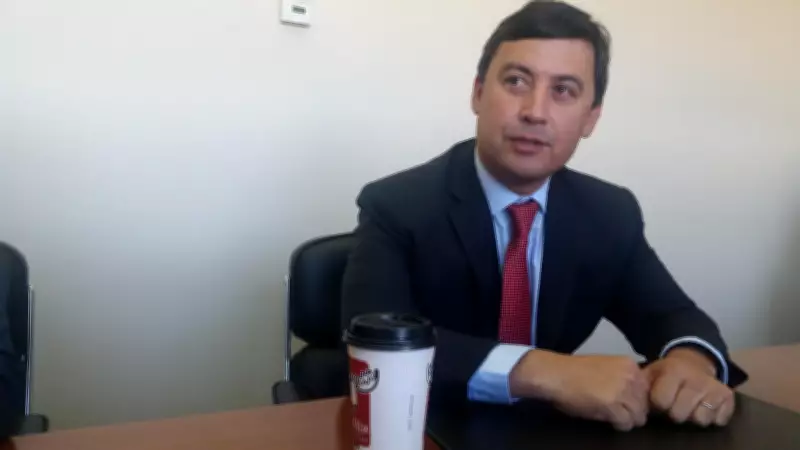
TAIPEI — Just weeks after China’s ambassador to Canada issued a stern warning to Parliamentarians visiting Taiwan, a prominent Conservative MP has arrived in Taipei to meet with the nation’s president.
Conservative Foreign Affairs Critic Michael Chong landed in Taipei on Monday local time and is scheduled to meet with Taiwanese President Lai Ching-Te on Wednesday, along with other senior officials.
“Canada has important economic, cultural and people-to-people ties with Taiwan,” Chong stated, noting that Taiwan is Canada’s 15th largest trading partner.

Chong, who has personally experienced Chinese foreign interference and harassment, emphasized that his visit demonstrates solidarity with Taiwan against Chinese aggression and asserts Canada’s sovereignty. This comes after Chinese Ambassador Wang Di’s remarks to the Globe and Mail in late April.
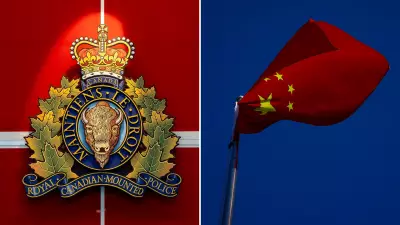
In his April 30 interview, Wang warned both the Canadian government and MPs against fostering friendly relations with Taiwan. “If these parliamentarians conduct any official engagement with the Taiwan side, that will be hurtful… any official engagement between China and Canada should only happen between the People’s Republic of China and Canada,” he said.
Wang also cautioned that sending warships through the Taiwan Strait and engaging in harassment or provocation violates the One China principle and China’s territorial integrity. He specifically warned that further visits to Taiwan could damage Canada’s renewed relations with China, a relationship Prime Minister Mark Carney had worked to repair amid U.S. President Donald Trump’s trade war.
Wang’s interview came about a week after the Toronto Sun exclusively reported on China’s move to “weaponize” global civil aviation by pressuring Seychelles, Mauritius, and Madagascar to revoke overflight permissions, thwarting Lai’s April state visit to Eswatini. Eswatini is the only African nation among a handful of countries with formal diplomatic ties with Taiwan, a list that does not include Canada.
Beijing’s One China policy dismisses Taiwan’s sovereignty, describing it as a renegade state and an inseparable part of China. Taiwanese visitors to Mainland China are often told by border guards to identify as Chinese citizens rather than foreign nationals.
After China’s nationalist government fell to the communist revolution in 1949, nearly two million civilians, troops, and officials of Chiang Kai-shek’s Kuomintang government fled to Taiwan to re-establish the “Republic of China,” Taiwan’s official designation.
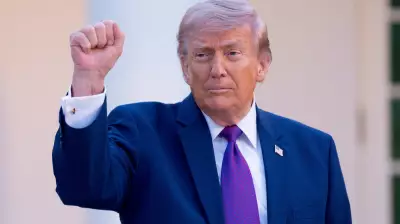
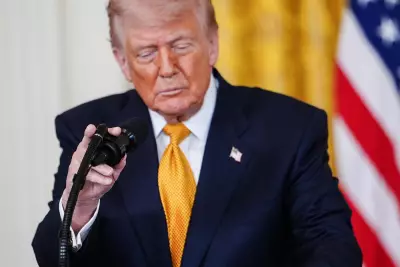
Taiwan was a dominant topic during Trump’s highly orchestrated three-day visit to Beijing last week, where Chinese President Xi Jinping warned that mishandling the Taiwan question by the U.S. and other Western democracies could push relations into a “dangerous place,” potentially leading to military clashes. That meeting occurred against the backdrop of a multi-billion arms deal between Taiwan and the U.S., with Trump hesitating to comment on the deal during press interviews on Air Force One.
“The last thing we need right now is a war that’s 9,550 miles away,” Trump told reporters.