The United States and Iran appeared far apart on a deal to end weeks of war and reopen the crucial Strait of Hormuz on Sunday, as a drone attack sparked a fire at a United Arab Emirates nuclear plant, spotlighting the risks of a fragile ceasefire.
President Donald Trump made clear his patience is wearing thin, posting on social media Sunday that “For Iran, the Clock is Ticking, and they better get moving, FAST, or there won’t be anything left of them. TIME IS OF THE ESSENCE!”
Iranian Media Reports on U.S. Conditions
Iran’s semi-official Fars news agency said the U.S. had set five main conditions for a peace deal, including the removal of uranium used by Iran’s nuclear program to the U.S., that Washington pays none of the compensation Tehran is demanding and unfreezes less than a quarter of Iran’s suspended assets. Fars didn’t give a source for the information, and the U.S. hasn’t publicly commented on such stipulations.

Meanwhile, the semi-official Mehr news agency said Washington offered “no tangible concessions” while seeking “to obtain concessions that it failed to obtain during the war, which will lead to an impasse in the negotiations.”
Drone Attack on UAE Nuclear Plant
Sunday’s drone attack in the UAE sparked a blaze in an electrical generator outside the inner perimeter of the Barakah power plant and had no impact on radiological safety, Abu Dhabi’s media office said in a statement. Authorities were working to extinguish the conflagration, which didn’t cause any injury, it said.
The drone that hit the power plant was one of three fired from west of the emirate, the UAE defense ministry said in a social media post. The other two were intercepted. The UAE said it was investigating the source of the attack.
Impact on Energy Exports
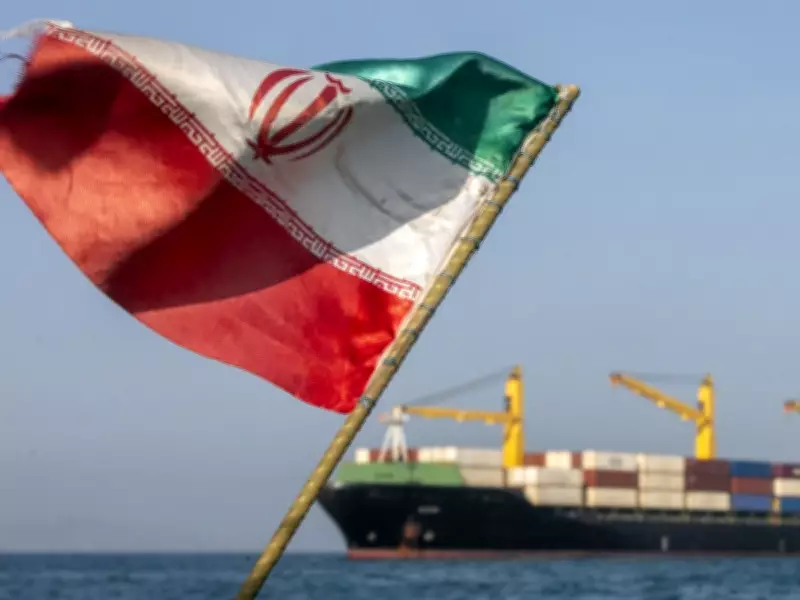
Iranian threats on shipping in the Persian Gulf have brought the region’s energy exports to a near-standstill, sending global prices soaring and giving Tehran significant leverage in talks with the U.S.
The U.S.-Israeli war on Iran that began Feb. 28 has claimed thousands of lives, mainly in the Islamic Republic. Retaliatory attacks by Tehran targeted US allies across the Gulf, including the UAE, which has carried out intermittent strikes on Iran in response, Bloomberg has reported.
Israeli Stance
In Jerusalem, Israeli Prime Minister Benjamin Netanyahu, briefing his cabinet about the Iran crisis, said he would speak to Trump later on Sunday for an update on the China visit. A member of Netanyahu’s security cabinet, Zev Elkin, said the country was poised to resume strikes on Iran should Trump decide to do so.
“We have targets that we want to hit, of course,” Elkin told Kan radio. “The current situation, with the U.S. blockade continuing, would also be good for Israel, because it’s wreaking major damage upon the Iranian economy on a daily basis.”
Diplomatic Efforts
Iranian President Masoud Pezeshkian has said his country is committed to a diplomatic resolution to the conflict. Several energy shipments have managed to clear the Strait of Hormuz in recent weeks, and an Iranian official said this weekend authorities were working on a formal law and framework to allow passage for some vessels.