The diplomatic relationship between Canada and China has navigated a decade marked by profound challenges, strategic recalibrations, and high-level engagements. This turbulent period, stretching from the mid-2010s to a pivotal meeting in late 2025, has reshaped bilateral ties on the world stage.
A Decade Defined by Diplomatic Strains and Detentions
The latter half of the 2010s saw the relationship severely tested. A major flashpoint was the December 2018 arrest of Huawei executive Meng Wanzhou in Vancouver at the request of the United States. This event triggered a severe diplomatic crisis. In what was widely perceived as retaliatory action, Chinese authorities detained two Canadian citizens, Michael Kovrig and Michael Spavor, on allegations of espionage. Their detention, which lasted for nearly three years, cast a long shadow over bilateral relations and became a central issue for the Canadian government.
This period was characterized by frozen high-level dialogue and escalating trade disputes. Canadian exports, particularly canola seed and pork, faced increased scrutiny and barriers from Chinese regulators, causing significant economic anxiety for Canadian producers. The atmosphere of mistrust deepened, moving the relationship into one of its most difficult chapters in modern history.

The Path to a High-Stakes Meeting in Gyeongju
A cautious and protracted thaw began following the resolution of the detainee crisis in September 2021. The release of the "Two Michaels" and a deferred prosecution agreement for Meng Wanzhou removed the most immediate obstacle to dialogue. However, rebuilding trust and establishing a new framework for engagement required sustained effort.
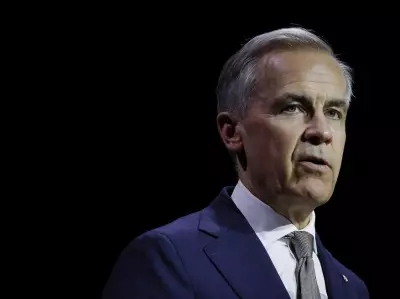
The trajectory shifted notably with the election of Prime Minister Mark Carney. His administration signalled a desire for a more predictable and rules-based relationship with Beijing, while firmly upholding Canadian values and security concerns. This set the stage for a carefully orchestrated diplomatic re-engagement.
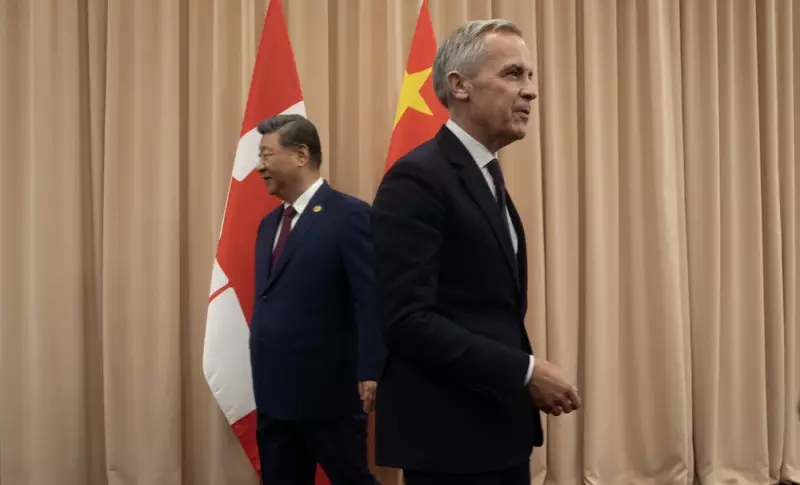
The culmination of this phase occurred on Friday, October 31, 2025, in Gyeongju. Prime Minister Mark Carney and Chinese President Xi Jinping held a formal meeting, a significant step in normalizing leader-to-leader contact. Photographs from the event, captured by The Canadian Press, showed the two leaders shaking hands and making their way to their seats, symbolizing a deliberate move to manage the complex partnership amidst ongoing global uncertainties.
Looking Forward: A Relationship Recalibrated
The meeting in late 2025 did not signify a return to an uncomplicated partnership but rather the establishment of a new, more pragmatic phase. Key issues remain on the agenda, including:
- Trade and Economic Security: Navigating supply chain dependencies and protecting critical minerals.
- Regional Security: Addressing tensions in the Indo-Pacific and the South China Sea.
- Climate Cooperation: Exploring areas of mutual interest in green technology and emissions reduction.
- Human Rights: Maintaining a consistent dialogue on fundamental freedoms and rule of law.
The decade of turbulence has fundamentally altered the Canada-China dynamic. It has moved from a era of hopeful engagement to one of strategic competition managed through guarded diplomacy. The path forward, as illustrated by the Carney-Xi meeting, is likely to be defined by clear-eyed dialogue, where cooperation is sought on specific issues even as fundamental differences are acknowledged and managed. The relationship now operates with a hardened realism, shaped by the consequential events of a difficult ten years.