In a significant diplomatic development, Thailand and Cambodia have agreed to resume talks aimed at establishing a lasting ceasefire. This decision follows a recent series of deadly clashes along their shared border, which have heightened regional tensions.
Diplomatic Push to De-escalate Tensions
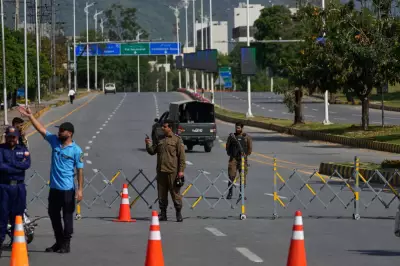
The move to return to the negotiating table was confirmed on December 22, 2025. Both nations are seeking a peaceful resolution after military engagements resulted in casualties and threatened stability in Southeast Asia. The talks represent a crucial effort to prevent further escalation and find a sustainable path forward for border security and relations.
Key Figures and Regional Context
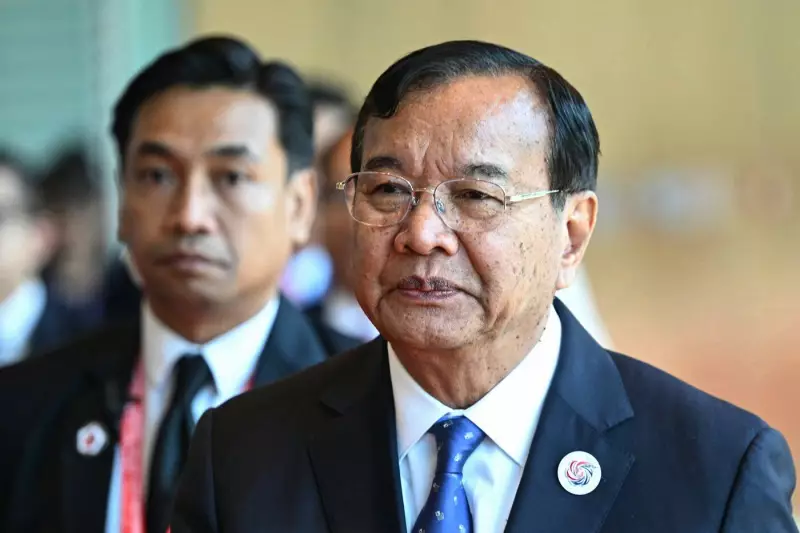
The diplomatic process involves high-level officials from both countries. Cambodia's Foreign Minister Prak Sokhonn, a prominent figure within the Association of Southeast Asian Nations (ASEAN), is expected to play a central role. The region has a history of territorial disputes, making these negotiations particularly sensitive and watched closely by neighbouring ASEAN members, who prioritize regional stability.

The decision to resume dialogue underscores a mutual, albeit fragile, commitment to diplomacy over continued military confrontation. The precise agenda for the upcoming talks will likely focus on mechanisms to monitor the ceasefire, troop positioning, and long-term dispute resolution frameworks.
Implications for Southeast Asian Stability
The resumption of ceasefire negotiations is a positive step for ASEAN, which often promotes dialogue and peaceful conflict resolution among its members. A prolonged conflict between Thailand and Cambodia would pose a significant challenge to the bloc's unity and its principles.
Observers will be watching closely to see if the talks can yield a tangible and enduring agreement. The success or failure of this diplomatic initiative will have profound implications not only for the direct neighbours but for the broader geopolitical balance in Southeast Asia. The international community is likely to support these efforts to restore and maintain peace along the contested border.