Security vs. Trade: Canada's Diplomatic Dilemma with India
Prime Minister Mark Carney's recent visit to India, aimed at forging new trade agreements to reduce Canada's reliance on U.S. markets, has ignited a contentious debate over national security priorities. While economic partnerships are crucial, concerns are mounting that such deals might compromise the safety of Canadians, especially in light of conflicting statements from government officials.
Conflicting Claims from Federal Sources
The controversy stems from a background briefing by an anonymous federal official last week, which preceded Carney's trip. This official asserted that Canada no longer believes India is targeting Canadians for murder, engaging in foreign interference, or conducting transnational repression, including threats and violence. However, this claim starkly contradicts longstanding security advisories from agencies like CSIS and the RCMP.
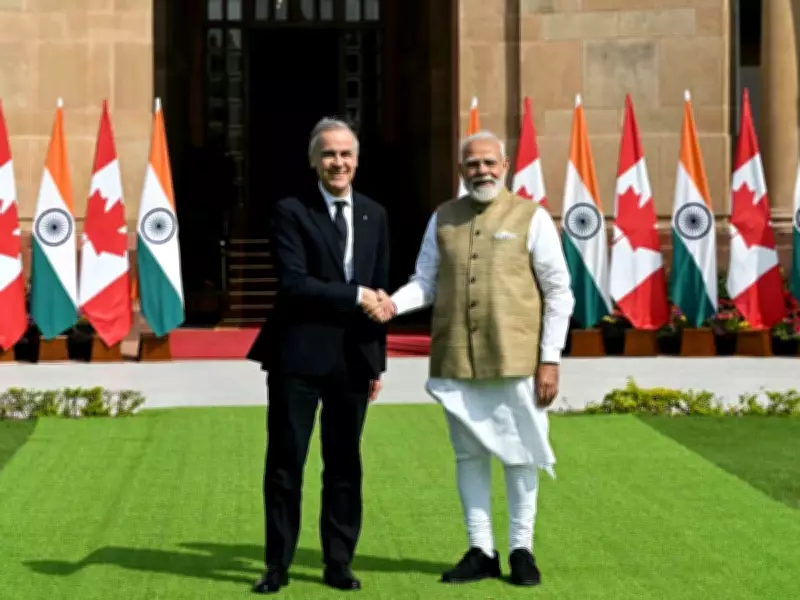
During a joint appearance with Indian Prime Minister Narendra Modi on Monday, Carney emphasized unity, declaring, "We are one family," as they announced new and potential trade deals. Yet, reporters were unable to question him about the official's briefing, which has been denounced as false by some Liberal MPs and met with denials from India's high commissioner to Canada.

Historical Context and Ongoing Threats
Foreign Affairs Minister Anita Anand distanced herself from the official's wording but did not clarify whether it reflects government policy. This ambiguity is troubling given past incidents. In 2024, under former Prime Minister Justin Trudeau, Canada expelled six Indian diplomats linked to the assassination of Sikh separatist Hardeep Singh Nijjar in 2023. Recent reports from the Globe and Mail indicate that Canadian national security officials have evidence suggesting Indian consular staff in Vancouver provided information leading to Nijjar's killing.
Additionally, last week, a Sikh activist in Vancouver reported receiving police warnings about threats to himself and his family, underscoring ongoing risks. Canada's foreign interference inquiry last year identified India as "the second most active country engaging in electoral foreign interference in Canada," citing concerns over Khalistani separatism.
Broader Implications for Canadian Security
The core issue remains clear: the safety and security of Canadians must never be sacrificed for trade gains. This principle applies not only to India but also to other nations like China, which the foreign interference inquiry labeled "the most active perpetrator of foreign interference targeting Canada's democratic institutions." Despite this, Carney has referred to China as a strategic partner, raising further questions about consistency in foreign policy.
As Canada navigates these complex diplomatic waters, balancing economic interests with national security will require transparent communication and unwavering commitment to protecting citizens from external threats.