Russia has signalled it will push for significant alterations to a new American-led peace initiative aimed at ending the war in Ukraine, viewing the current proposal merely as a foundation for further discussion. According to a source familiar with Kremlin thinking, Moscow intends to demand stricter limitations on Ukraine's military capabilities among other key changes.
Moscow's Stance on the 20-Point Proposal
The framework in question is a 20-point plan developed through negotiations involving American, Ukrainian, and Russian officials in recent weeks. While the Kremlin has not formally endorsed the document, it is reportedly treating it as a starting point for future negotiations. A person close to the Kremlin, who requested anonymity due to the sensitivity of the discussions, stated the plan lacks crucial provisions for Russia and leaves many questions unanswered.
Russian President Vladimir Putin has not yet publicly commented on the latest proposals. However, his spokesman, Dmitry Peskov, confirmed on Wednesday that Kremlin envoy Kirill Dmitriev, who met with the U.S. team in Florida recently, has briefed Putin on the results. Peskov indicated that Moscow will continue its diplomatic contacts with Washington soon to convey its position.

Key Russian Demands and Sticking Points
The source outlined several areas where Russia seeks substantial revisions. A primary concern for Moscow is securing ironclad guarantees against any future eastward expansion by the NATO military alliance. Furthermore, Russia wants clarity on Ukraine's neutral status should it eventually join the European Union.
On military matters, the Kremlin is pushing for specific limits on the size and weaponry of Ukraine's postwar armed forces, terms not currently detailed in the plan. Additional Russian demands include:
- Clear assurances on the status and use of the Russian language within Ukraine.
- A definitive roadmap for the removal of Western sanctions imposed over the conflict.
- Resolution on the fate of hundreds of billions of dollars in frozen Russian state assets held abroad.
- Ukrainian concessions of territory in eastern Donetsk that Russian forces have not yet captured—a demand Kyiv has firmly rejected.
Ukrainian and American Perspectives
Ukrainian President Volodymyr Zelenskyy offered a cautiously optimistic assessment late Tuesday, noting that negotiations had "moved significantly closer to finalizing the documents." He acknowledged, however, that differences remain with Washington, particularly regarding territorial issues and the management of the Russian-occupied Zaporizhzhia Nuclear Power Plant.
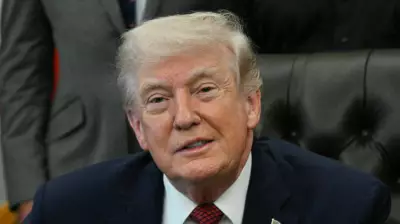
Despite the hurdles, Moscow appears reluctant to outright reject the plan and risk alienating U.S. President Donald Trump, who has expressed a desire to broker a deal. Trump remarked this week that talks were proceeding "okay" and suggested an agreement could be reached soon, though initial hopes for a Christmas accord have faded.
The diplomatic maneuvering continues as the conflict approaches its fourth year, with the latest peace effort facing a complex array of geopolitical and security demands that will be difficult to reconcile.