Russia Escalates Military Strikes Against Ukraine on Eve of Peace Negotiations
In a dramatic escalation of hostilities, Russia conducted a widespread bombardment of Ukrainian territory using drones and missiles on February 3, 2026. This aggressive military action occurred merely twenty-four hours before scheduled peace talks were set to commence, casting serious doubt on the prospects for a diplomatic resolution to the prolonged conflict.
Timing Raises Questions About Sincerity of Negotiations
The timing of this intense assault is particularly noteworthy and has been interpreted by many analysts as a deliberate signal from Moscow. Launching such a significant offensive immediately prior to planned negotiations could be viewed as an attempt to strengthen Russia's bargaining position or to undermine the peace process from its outset. The attack serves as a stark reminder that, despite international calls for de-escalation, the war remains intensely active and volatile.
Context of Diplomatic Efforts
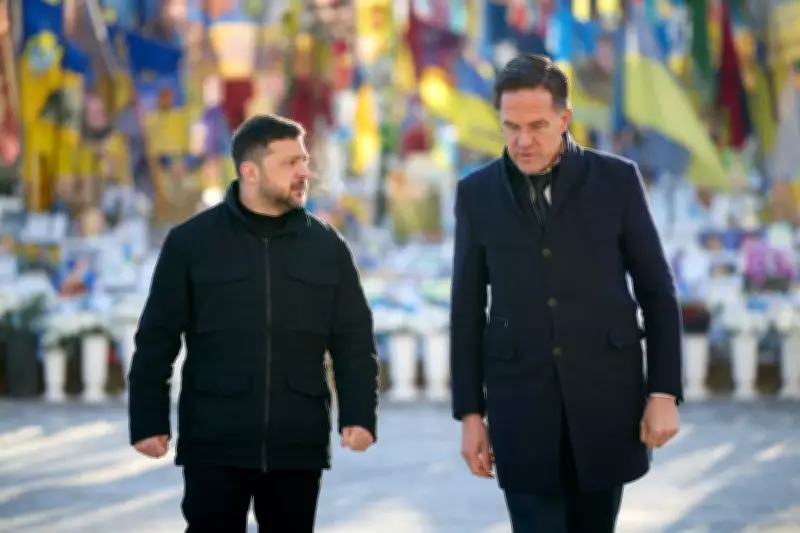
The planned peace talks were intended to build upon fragile diplomatic channels that have been intermittently active throughout the years-long war. The assault disrupts a period that had seen increased diplomatic activity, including high-level meetings. Notably, Ukrainian President Volodymyr Zelenskyy was recently photographed alongside NATO Secretary-General Mark Rutte at a solemn ceremony in Kyiv's Independence Square, honoring fallen soldiers. Such imagery highlights the continued international dimension of the conflict and Ukraine's reliance on Western support.

Analysis of Military Tactics and Regional Impact
The use of combined drone and missile strikes represents a continued evolution in Russian military tactics, aiming to overwhelm Ukrainian air defenses and inflict damage on critical infrastructure and civilian areas. These attacks contribute to the ongoing humanitarian crisis and reconstruction challenges facing Ukraine. The international community, including Canada, continues to monitor the situation closely, with implications for global security, energy markets, and refugee policies.
The renewed violence underscores the profound challenges facing any peace initiative. While the world watches the planned negotiations, this pre-emptive strike makes clear that the path to a sustainable ceasefire and political settlement remains fraught with danger and mistrust. The coming days will be critical in determining whether diplomacy can prevail over continued military aggression.