Secretary Rubio Heads to Munich to Pressure European Allies on Security
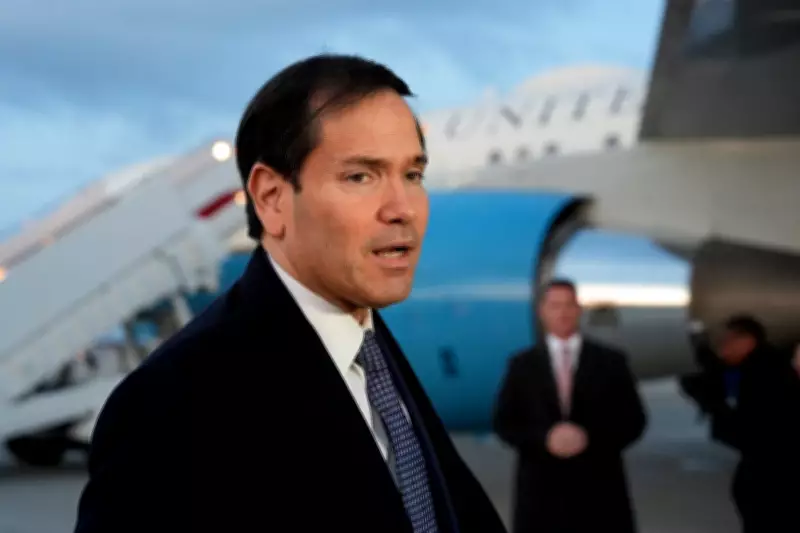
U.S. Secretary of State Marco Rubio embarked on a critical diplomatic mission to Germany on Thursday, February 12, 2026, aiming to heap pressure on European nations at the prestigious Munich Security Conference. Departing from Joint Base Andrews in Maryland, Rubio spoke briefly to reporters before boarding his plane, signaling a firm stance on bolstering transatlantic cooperation in an era of escalating global challenges.
Urgent Calls for Enhanced Defense Commitments
The Munich Security Conference, a key annual gathering of international security leaders, serves as the backdrop for Rubio's push to encourage European allies to ramp up their defense spending and military capabilities. This move comes amid ongoing geopolitical tensions and conflicts that threaten stability worldwide. Rubio's agenda is expected to emphasize the need for a unified front, with a particular focus on countering aggressive actions by adversarial states and addressing emerging security threats.
Rubio's approach underscores a strategic shift in U.S. foreign policy, prioritizing direct engagement with European partners to ensure collective security. His message is likely to stress that increased investment in defense is not merely a request but a necessity for maintaining peace and deterring potential aggressors. This aligns with broader U.S. efforts to reinforce NATO and other alliances, ensuring they are equipped to handle modern warfare and hybrid threats.

Broader Implications for International Relations
The Secretary of State's trip highlights the ongoing recalibration of global power dynamics, where traditional alliances are being tested by economic pressures and shifting political landscapes. By attending the conference, Rubio aims to foster dialogue and secure commitments that could shape security policies for years to come. European leaders are anticipated to respond with mixed reactions, balancing domestic priorities with international obligations.
Analysts suggest that Rubio's pressure tactics may lead to heated discussions, as some European nations grapple with budget constraints and public skepticism toward military expansion. However, the urgency of current security crises, including regional conflicts and cyber threats, provides a compelling case for enhanced cooperation. The outcomes of this conference could influence defense budgets, joint military exercises, and intelligence-sharing agreements across the Atlantic.
Context and Future Prospects
This diplomatic effort is part of a larger strategy by the U.S. administration to reaffirm its leadership role on the world stage. Rubio's presence in Munich signals a commitment to proactive diplomacy, moving beyond rhetoric to actionable plans. As the conference unfolds, stakeholders will watch closely for any announcements or agreements that emerge, which could have ripple effects on global security architectures.
In summary, Secretary Rubio's journey to the Munich Security Conference represents a pivotal moment in international diplomacy, with the potential to reshape European defense postures and strengthen transatlantic bonds. The pressure he applies may catalyze significant policy shifts, underscoring the interconnected nature of modern security challenges.