Confusion at Rafah Crossing Reopening Leaves Palestinians Stranded in Gaza
The highly anticipated reopening of the Rafah border crossing, a critical gateway between the Gaza Strip and Egypt, has descended into chaos and confusion, leaving numerous Palestinian civilians stranded and uncertain about their immediate futures. This development occurs against the backdrop of the protracted and devastating Israel-Hamas war, which has created severe humanitarian conditions within the besieged enclave.
Chaotic Scenes and Emotional Reunions
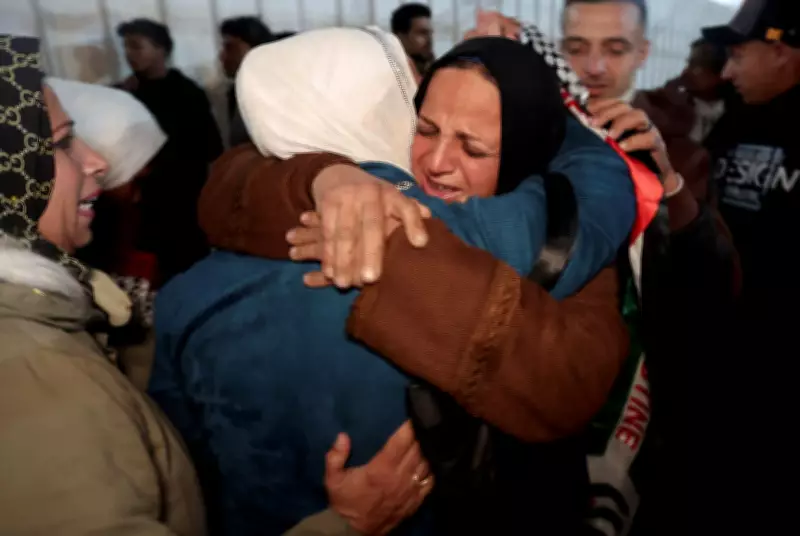
Reports from the ground describe scenes of disarray as individuals and families, many carrying minimal belongings, gathered at the crossing point with hopes of exiting Gaza. The process has been marred by logistical delays, unclear entry requirements, and shifting operational timelines from authorities. Amidst this turmoil, emotional moments unfolded as some Palestinians, having successfully navigated the complex procedures, were seen embracing loved ones upon arrival at destinations like the Nasser Hospital in Khan Younis, a facility that has become a symbol of both refuge and the territory's strained medical infrastructure.
Humanitarian Implications of Border Uncertainty
The confusion surrounding the Rafah crossing's operations has direct and serious humanitarian consequences. For many Palestinians, the crossing represents one of the few potential avenues to escape the conflict zone, access medical care unavailable in Gaza, or reunite with family abroad. The uncertainty and delays exacerbate the already dire situation for civilians caught in the crossfire, limiting the flow of essential aid and personnel into Gaza and hindering the evacuation of the wounded and vulnerable. This bottleneck underscores the broader challenges in coordinating humanitarian responses during active hostilities.

The Broader Context of the Israel-Hamas Conflict
This incident at the Rafah crossing is a microcosm of the larger humanitarian crisis unfolding in Gaza. The war has resulted in significant loss of life, widespread displacement, and the destruction of vital infrastructure, including homes, schools, and hospitals. The struggle to manage border crossings highlights the intricate and often politicized nature of providing relief in a conflict zone, where security concerns, diplomatic negotiations, and logistical hurdles frequently collide.
The plight of those stranded at Rafah serves as a stark reminder of the human cost of the ongoing violence and the urgent need for sustained diplomatic efforts to achieve a ceasefire and a lasting political solution.