Pakistan's President Issues Stern Warning Over Afghan Taliban Drone Strikes on Civilians
In a strongly worded statement, Pakistan's president has asserted that Afghan Taliban forces have unequivocally crossed a 'red line' by launching drone attacks targeting civilians. This declaration marks a significant escalation in diplomatic tensions between the neighboring nations, highlighting grave concerns over the safety and security of non-combatants in the conflict-ridden region.
Escalating Regional Tensions and Civilian Casualties
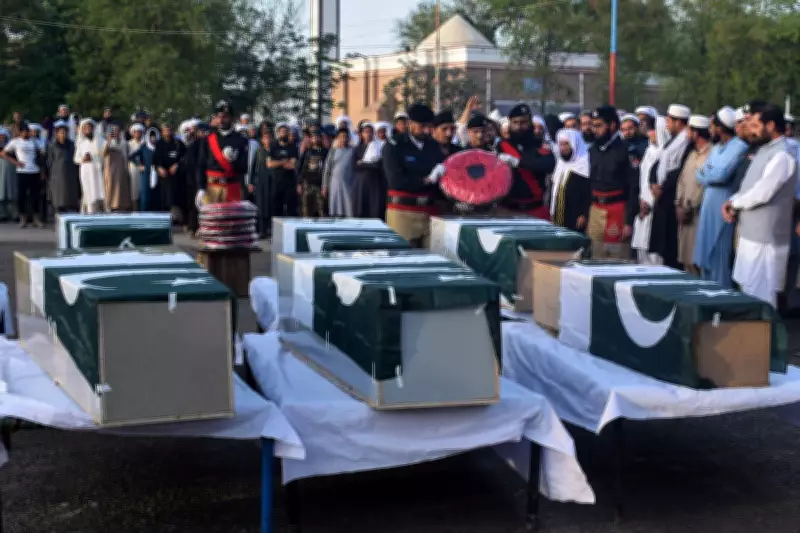
The president's remarks come amid reports of increasing drone strikes attributed to the Afghan Taliban, which have resulted in civilian casualties and widespread fear among local populations. These incidents are seen as a direct violation of international norms and a blatant disregard for human life, prompting urgent calls for accountability and restraint from the militant group.
The use of drone technology in such attacks represents a dangerous evolution in the conflict, enabling strikes with precision that, when misused, can lead to devastating outcomes for innocent bystanders. This development has raised alarms not only in Pakistan but also among international observers monitoring the stability of South Asia.

Historical Context and Diplomatic Implications
Relations between Pakistan and the Afghan Taliban have been complex and often strained, with Pakistan historically playing a role in regional diplomacy and counter-terrorism efforts. The recent drone attacks, however, have pushed these tensions to a new peak, challenging existing frameworks for dialogue and cooperation.
The president's characterization of these actions as crossing a 'red line' suggests that Pakistan may be considering more assertive measures in response, potentially including diplomatic isolation, increased border security, or appeals to global bodies like the United Nations. This stance underscores the severity with which Pakistan views the threat to its civilian population and regional peace.
Impact on Civilian Communities and Humanitarian Concerns
Local communities in affected areas are living in heightened fear, with reports of disrupted daily life and economic activities due to the threat of drone strikes. Humanitarian organizations have expressed concern over the potential for increased displacement and suffering among civilians caught in the crossfire.
- Increased risk to non-combatants, including women and children
- Potential for retaliatory actions that could exacerbate the conflict
- Challenges in delivering aid and support to vulnerable populations
As the situation unfolds, there is a pressing need for all parties to prioritize the protection of civilians and adhere to international humanitarian law. The international community is closely watching, with hopes for de-escalation and a return to peaceful negotiations to address the underlying issues fueling this violence.