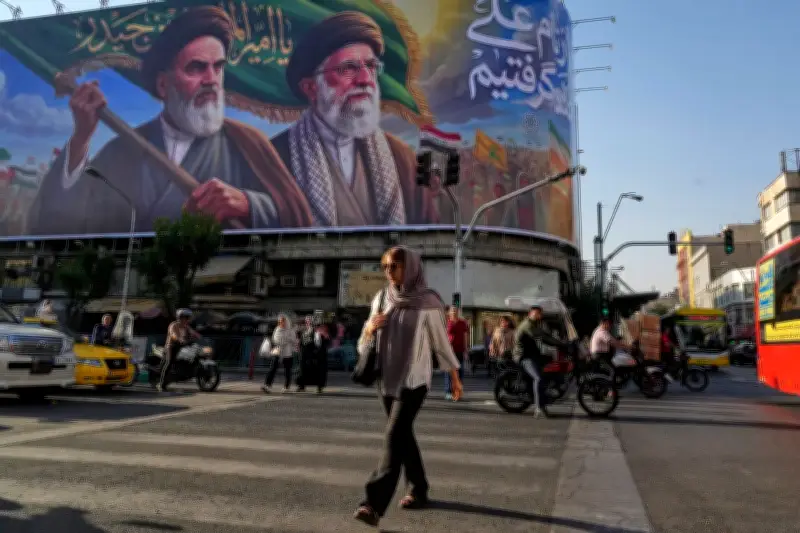
Pakistan's interior minister is currently in Tehran for high-level talks, coinciding with reports that the United States has downed more Iranian drones over the strategic Strait of Hormuz. The visit comes amid heightened tensions following the killing of Iran's Supreme Leader Ayatollah Ali Khamenei in U.S. and Israeli strikes on February 28.
Diplomatic Mission Amid Escalation
The Pakistani delegation aims to de-escalate regional tensions and discuss bilateral relations. The interior minister's agenda includes meetings with Iranian officials to address security concerns and potential cooperation. Meanwhile, the U.S. military confirmed intercepting several Iranian drones in international airspace near Hormuz, a critical chokepoint for global oil shipments.
Background of Conflict
The recent drone activity follows a series of confrontations between Iran and the U.S.-led coalition. The downing of Khamenei in February significantly strained relations, with Iran vowing retaliation. The Strait of Hormuz has been a flashpoint, with both sides asserting their military presence.

Pakistan's role as a mediator is seen as crucial, given its ties to both Iran and the U.S. The interior minister's visit underscores Islamabad's efforts to promote stability in the region. However, the ongoing drone interceptions highlight the fragile security situation.
Reactions and Implications
Iranian state media reported the visit positively, emphasizing cooperation. Analysts suggest that Pakistan's diplomatic push may help prevent further escalation. The U.S. has not commented directly on the minister's visit but reiterated its commitment to protecting freedom of navigation.
The situation remains volatile, with potential impacts on global energy markets. The Strait of Hormuz handles about 20% of the world's oil, making any disruption significant. As diplomatic efforts continue, military postures remain high.