Hungarian Leader Alleges Ukrainian Meddling in Electoral Affairs
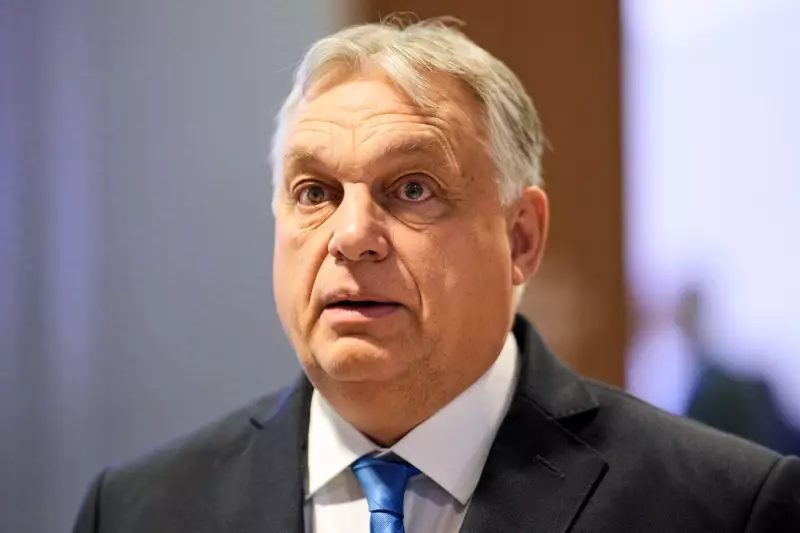
In a significant diplomatic escalation, Hungarian Prime Minister Viktor Orbán has publicly accused Ukraine of attempting to influence Hungary's internal political landscape, specifically targeting electoral processes. The allegations have prompted the immediate summoning of Ukraine's ambassador to Hungary for formal discussions, underscoring the growing strain between the two nations amidst the broader geopolitical context of the Russia-Ukraine conflict.
Diplomatic Fallout and Official Response
The Hungarian government, through its foreign ministry, issued a stern statement detailing the accusations of election interference. According to official sources, Orbán's administration claims that Ukrainian entities have engaged in activities aimed at swaying Hungarian public opinion and potentially undermining the integrity of upcoming electoral events. This move marks a notable deterioration in bilateral relations, which have been historically complex and occasionally fraught with tension over issues such as minority rights and energy policy.
The summoning of the Ukrainian ambassador is a standard diplomatic protocol used to express serious displeasure and demand explanations. It reflects Hungary's determination to address what it perceives as unacceptable foreign involvement in its sovereign affairs. The Ukrainian side has yet to issue a comprehensive public response, but previous instances of similar accusations have been met with denials and counter-claims of misinformation.

Broader Context and Regional Implications
This incident occurs against the backdrop of the ongoing Russia-Ukraine war, where Hungary has maintained a notably cautious and sometimes divergent stance compared to other European Union and NATO allies. Orbán's government has emphasized national interests, particularly regarding energy security and economic stability, leading to periodic friction with Ukraine and Western partners.
The timing of these accusations is particularly sensitive, as Hungary prepares for potential electoral cycles that could shape its political future. Analysts suggest that such allegations may also serve domestic political purposes, reinforcing Orbán's narrative of defending Hungarian sovereignty against external pressures. However, the veracity of the claims remains unverified by independent international observers.
Regional stability is a concern, as diplomatic spats between neighboring states can complicate broader efforts toward conflict resolution and cooperation in Eastern Europe. The European Union may face additional challenges in maintaining unity among member states regarding support for Ukraine, given Hungary's influential role within the bloc.
Potential Outcomes and Future Developments
The immediate consequences of this diplomatic row could include:
- Increased scrutiny of bilateral agreements and cooperation projects between Hungary and Ukraine.
- Possible retaliatory measures, such as expulsions of diplomatic personnel or economic sanctions, though these are considered less likely initially.
- Heightened rhetoric in media and political discourse, potentially inflaming nationalist sentiments in both countries.
Long-term implications might involve a recalibration of Hungary's foreign policy approach, particularly its alignment with EU consensus on Ukraine-related matters. The situation warrants close monitoring, as further escalations could impact humanitarian aid, security collaborations, and regional diplomatic initiatives aimed at de-escalating the wider conflict.
In summary, Orbán's accusations represent a pivotal moment in Hungary-Ukraine relations, with ramifications that extend beyond bilateral ties to affect European geopolitical dynamics. The coming days will be critical in determining whether this dispute can be contained through dialogue or if it will evolve into a more protracted diplomatic crisis.