Israeli Prime Minister to Confer with US President on Critical Iran Discussions
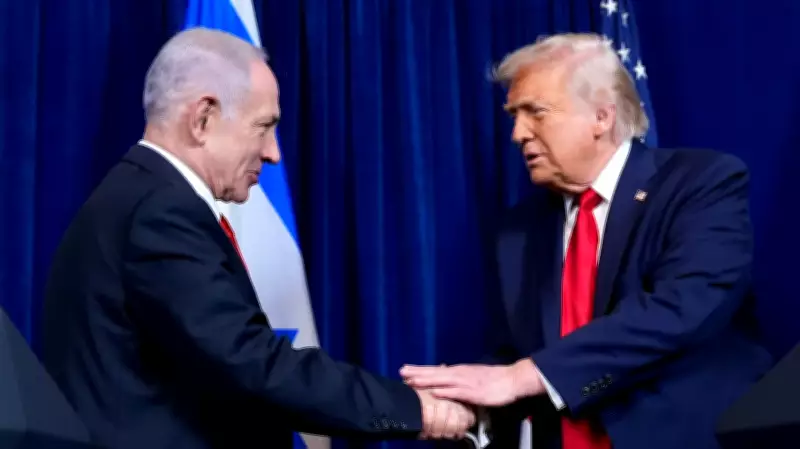
Israeli Prime Minister Benjamin Netanyahu is scheduled to meet with United States President Donald Trump in Washington this Wednesday, according to an official statement released by Netanyahu's office on Saturday. The high-level discussion will focus on the ongoing U.S. negotiations with Iran, occurring against a backdrop of elevated concerns about potential regional conflict.
Core Israeli Demands for Nuclear Negotiations
The Israeli government's position was clearly outlined in a brief statement, which emphasized that all negotiations must include provisions to limit Iran's ballistic missile capabilities and to terminate its support for regional proxy groups, often referred to as the Iranian axis. This stance underscores Israel's security priorities as diplomatic efforts continue.
Recent indirect talks between the U.S. and Iran, held in Oman on Friday, appeared to reset discussions to their initial stages regarding approaches to Tehran's nuclear program. President Trump characterized these talks as very good and indicated that further discussions are planned for early next week. The U.S. delegation was led by Middle East special envoy Steve Witkoff and Jared Kushner, the President's son-in-law.

Military Posturing and Regional Apprehensions
President Trump has repeatedly issued threats to employ military force to pressure Iran into reaching an agreement on its nuclear activities. This rhetoric follows earlier deployments, including the aircraft carrier USS Abraham Lincoln and accompanying warships to the region, actions taken during Iran's severe crackdown on domestic protests that resulted in thousands of fatalities and tens of thousands of detentions.
Gulf Arab nations are expressing significant anxiety, fearing that any military attack could ignite a broader regional war, potentially drawing them into the conflict. These concerns are amplified by the recent memory of Israel's 12-day military engagement with Iran in June of the previous year.
Unprecedented Military Involvement in Diplomacy
In a notable development, the United States included its top military commander in the Middle East in the negotiations with Iran for the first time. U.S. Navy Admiral Brad Cooper, who heads the military's Central Command, participated in the discussions. Following the talks, Admiral Cooper, along with Witkoff and Kushner, visited the USS Abraham Lincoln on Saturday, as confirmed by a command statement.
Iranian Stance and Diplomatic Proposals
Iranian Foreign Minister Abbas Araghchi addressed journalists on Friday, asserting that nuclear talks and the resolution of core issues must occur in a calm atmosphere, free from tension and threats. Araghchi indicated that diplomats would be returning to their respective capitals, signaling the conclusion of this particular round of negotiations.
The specific terms Iran is willing to negotiate remain unclear. Tehran has consistently maintained that these discussions should be exclusively focused on its nuclear program. However, reports from the Al Jazeera satellite news network suggest that diplomats from Egypt, Turkey, and Qatar presented a proposal to Iran. This proposal reportedly involves Tehran halting uranium enrichment for three years, exporting its highly enriched uranium out of the country, and pledging not to initiate the use of ballistic missiles.
U.S. Secretary of State Marco Rubio emphasized on Wednesday that comprehensive talks must address all these interconnected issues, highlighting the complex and multifaceted nature of the diplomatic challenge.