In a significant display of international solidarity, Mexico has delivered its second major humanitarian aid package to Cuba, directly countering the tightening energy blockade imposed by the United States. This latest shipment underscores Mexico's commitment to supporting its Caribbean neighbor during a period of escalating economic pressure.
Strengthening Bilateral Ties Amid Adversity
The aid package, consisting of essential supplies such as food, medicine, and other critical resources, arrived in Havana recently. This initiative follows Mexico's first aid delivery earlier this year, highlighting a consistent effort to alleviate the hardships faced by the Cuban population. The timing is particularly poignant as the U.S. continues to enforce stringent sanctions, including restrictions on oil and energy imports, which have severely impacted Cuba's economy and daily life.
Humanitarian Efforts on the Ground
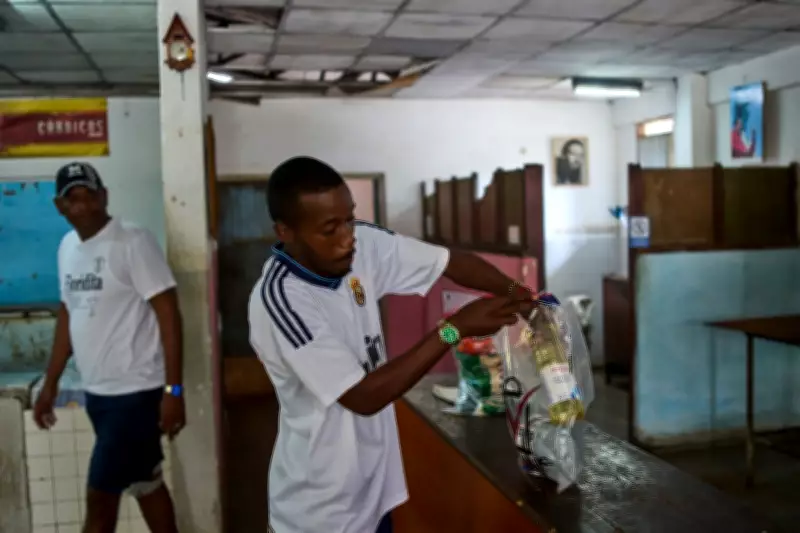
On the ground in Cuba, local distribution centers, including state-run bodegas, are actively managing the influx of Mexican assistance. Workers like Roberto Roman, a bodega manager, have been seen filling bags with donated goods for families in need. These efforts aim to ensure that aid reaches the most vulnerable communities, providing a lifeline in the face of shortages and economic instability.

The U.S. energy blockade, which has been in place for decades, has recently seen intensified measures, further limiting Cuba's access to vital resources. This has led to widespread power outages and fuel shortages, exacerbating the humanitarian crisis. Mexico's aid shipments serve as a direct response to these challenges, offering tangible support and fostering diplomatic goodwill.
International Reactions and Implications
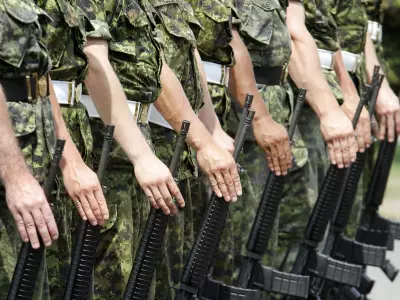
This development has sparked varied reactions globally. While some nations applaud Mexico's humanitarian stance, others view it as a political maneuver in the complex geopolitics of the region. The aid delivery also coincides with other international events, such as Canada's preparations for its own aid package to Cuba, indicating a broader trend of nations stepping in to fill the void left by U.S. policies.
Experts suggest that Mexico's actions could influence future diplomatic relations in the Americas, potentially encouraging other countries to increase their support for Cuba. However, the ongoing U.S. blockade remains a significant barrier, with its effects rippling through Cuba's economy and society.
Looking Ahead: The Future of Cuba-Mexico Relations
As Mexico continues to send aid, the relationship between Mexico and Cuba is expected to deepen, with potential collaborations in trade, healthcare, and education. This could pave the way for more sustainable solutions to Cuba's economic woes, beyond immediate humanitarian relief.
In summary, Mexico's second aid package to Cuba represents a crucial act of solidarity in the face of U.S. sanctions. It highlights the ongoing humanitarian efforts to support Cuba during a time of need, while also reflecting the intricate dynamics of international politics and diplomacy in the Western Hemisphere.