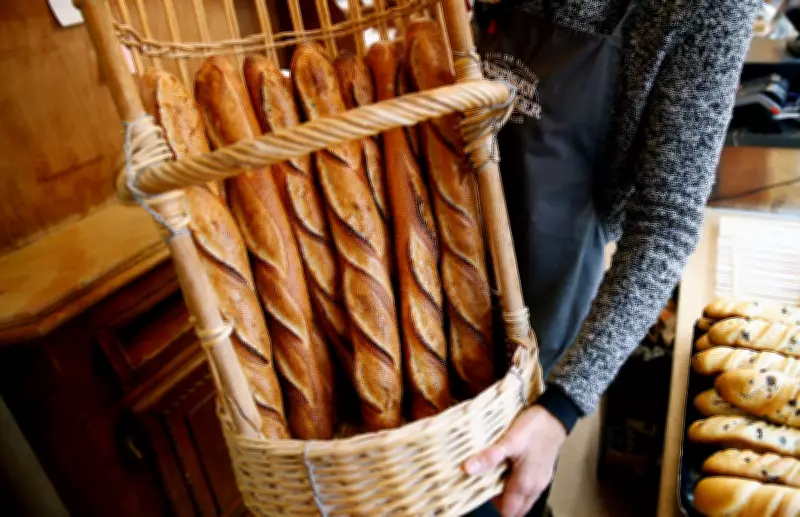
The Baguette's Uncertain Future: How France is Rethinking Its Iconic Loaf
In France, the baguette is more than just bread; it is a symbol of national identity, a daily ritual, and a culinary treasure. However, this iconic loaf now faces an uncertain future as shifting consumer habits and new baking innovations challenge its longstanding dominance on French tables.
A Decline in Traditional Bread Consumption
One of the most pressing issues is a noticeable decline in bread consumption across France. For generations, the baguette has been a staple in French households, but recent trends show a gradual reduction in daily bread intake. This shift is attributed to various factors, including changing dietary preferences, increased health consciousness, and the growing popularity of alternative food options. As French consumers explore gluten-free diets, low-carb lifestyles, and international cuisines, the traditional baguette finds itself competing in a rapidly evolving marketplace.
Innovative Baking Trends Reshaping the Landscape
Simultaneously, the art of bread baking is undergoing a transformation. Artisan bakers and modern patisseries are experimenting with new techniques, ingredients, and flavors, offering innovative takes on classic bread. From sourdough baguettes to whole-grain variations and fusion-inspired loaves, these new creations are captivating a younger, more adventurous audience. While this creativity enriches France's baking heritage, it also poses a challenge to the conventional baguette, which must adapt to stay relevant in a culture that values both tradition and innovation.

Cultural and Economic Implications
The potential decline of the baguette carries significant cultural and economic weight. On a cultural level, the baguette is deeply embedded in French daily life, from morning breakfasts to evening meals. Its possible diminishment raises questions about preserving culinary traditions in a globalized world. Economically, the baking industry, which relies heavily on baguette sales, may need to diversify its offerings to sustain profitability. Small bakeries, in particular, face pressure to balance tradition with modernity, ensuring they can attract customers while honoring their craft.
France's Response: A National Reevaluation
In response to these challenges, France is actively rethinking its approach to the baguette. Efforts include promoting the baguette's cultural significance through education and tourism, supporting local bakers with subsidies and training, and encouraging innovation within traditional frameworks. Some advocates are pushing for stricter regulations to protect the authenticity of the baguette, similar to appellation d'origine contrôlée (AOC) standards for wine and cheese. By fostering a dialogue between tradition and change, France aims to secure a future for its beloved loaf without sacrificing its essence.
The baguette's journey reflects broader themes of adaptation and preservation in a fast-paced world. As France navigates this culinary crossroads, the outcome will not only shape the future of bread but also offer insights into how societies can honor their heritage while embracing progress. Whether through revived consumption or innovative reinvention, the baguette's story is far from over—it is merely entering a new chapter of resilience and reinvention.