Historic Direct Talks Between Lebanon and Israel Held in Washington
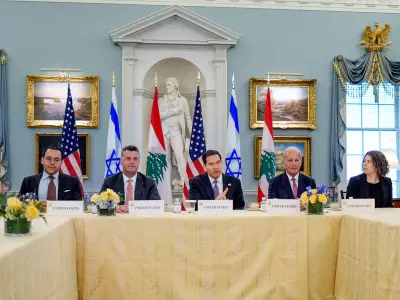
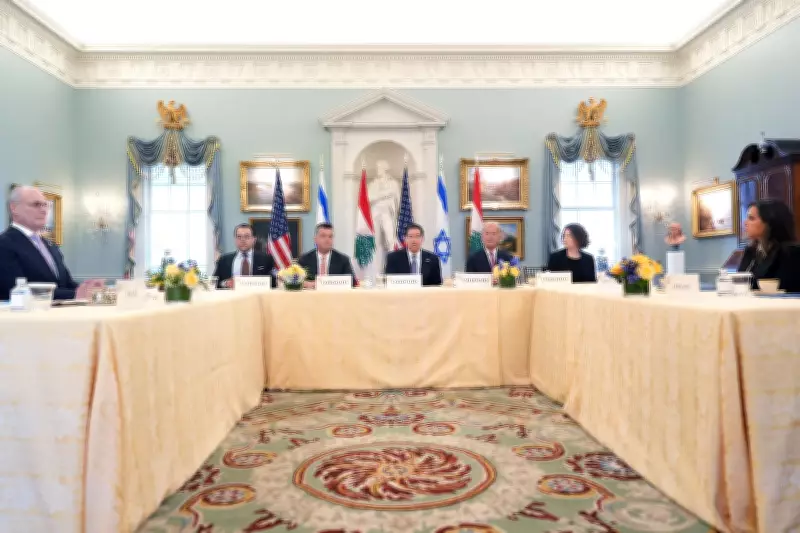
In a significant diplomatic development, Lebanon and Israel engaged in their first direct diplomatic discussions in decades, with the talks taking place in Washington, D.C. The meeting, held on Tuesday, April 14, 2026, at the U.S. State Department, marks a potential turning point in the long-standing and often tense relations between the two Middle Eastern nations.
U.S. Mediation and Key Participants
The talks were mediated by U.S. Secretary of State Marco Rubio, who played a central role in facilitating the dialogue. Representing Israel was Ambassador to the U.S. Yechiel Leiter, while Lebanon was represented by Ambassador to the U.S. Nada Hamadeh Moawad. This high-level engagement underscores the United States' continued commitment to fostering stability and peace in the region through diplomatic channels.
The meeting is particularly notable as it represents the first instance of direct diplomatic contact between Lebanon and Israel in many years, breaking a prolonged period of indirect negotiations often conducted through third parties or international organizations. Historically, relations have been fraught with conflicts, including the 2006 war and ongoing border disputes, making this direct engagement a cautiously optimistic step forward.

Context and Implications
These talks occur against a backdrop of regional complexities, including ongoing tensions in the Middle East and shifting geopolitical dynamics. The discussions are expected to have focused on key issues such as border security, maritime disputes, and potential economic cooperation, though specific details from the meeting have not been publicly disclosed. Analysts suggest that this dialogue could pave the way for future negotiations aimed at reducing hostilities and exploring mutual interests.
The involvement of Secretary Rubio highlights the Biden administration's active role in international diplomacy, emphasizing a strategy of engagement over isolation. By hosting these talks, the U.S. aims to demonstrate its leadership in conflict resolution and its support for peaceful dialogue between adversarial states.
Regional and Global Reactions
While reactions from Lebanon and Israel have been measured, with both sides likely assessing the outcomes internally, international observers have welcomed the talks as a positive development. The European Union and United Nations have expressed support for such diplomatic initiatives, noting that direct communication is essential for building trust and addressing longstanding grievances.
However, challenges remain, including domestic political pressures in both countries and the influence of other regional actors. The success of these talks will depend on follow-up actions and the willingness of both parties to engage in sustained dialogue. This event could signal a gradual shift towards more pragmatic approaches in Middle Eastern diplomacy, potentially inspiring similar efforts elsewhere in the region.
In summary, the direct diplomatic talks between Lebanon and Israel in Washington represent a historic moment with the potential to reshape regional relations. As the world watches closely, the focus will be on whether this initial engagement leads to tangible progress in peace and stability efforts.