Italian Government and Citizens Voice Outrage Over U.S. ICE Deployment for Olympic Security
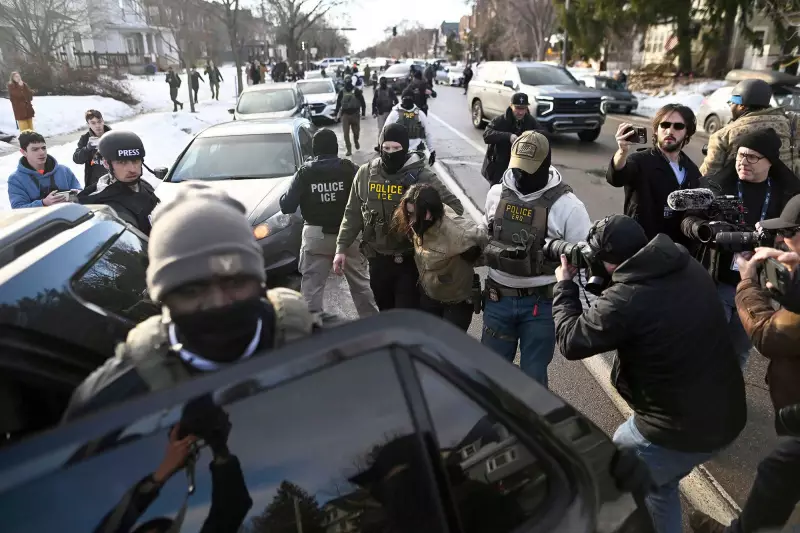
Significant diplomatic tension is emerging between Italy and the United States as criticism mounts over the planned deployment of U.S. Immigration and Customs Enforcement (ICE) agents to provide security support for the upcoming 2026 Milan-Cortina Winter Olympics. The controversy centers on the involvement of a U.S. federal agency with a contentious international reputation operating on Italian soil during a major global sporting event.
Sovereignty and Symbolism at the Heart of the Dispute
The Italian government, along with various political factions and civil society groups, has expressed profound dissatisfaction with the security arrangement. Critics argue that the presence of ICE agents, an organization often associated with aggressive immigration enforcement and family separations at the U.S.-Mexico border, is inappropriate and sends a conflicting message. The Olympics are traditionally a symbol of international unity and peace, making the choice of security personnel a highly sensitive issue.
"The decision undermines our national sovereignty and the spirit of the Games," stated a senior Italian diplomat who requested anonymity due to the sensitivity of ongoing discussions. "We have capable law enforcement and military units perfectly suited for this role. Importing a foreign agency with such a polarized profile is unnecessary and provocative."

Background and Official Justifications
The deployment was reportedly negotiated as part of broader international security cooperation agreements following heightened global threat assessments. U.S. officials have defended the move, citing ICE's specialized expertise in cross-border criminal investigations, document fraud, and human trafficking—areas of concern for any large-scale international event. They emphasize that the agents' role would be strictly advisory and logistical, supporting Italian authorities rather than operating independently.
However, this justification has done little to quell the anger in Italy. Public opinion polls indicate a strong majority of Italians oppose the deployment. Social media campaigns with hashtags like #NoICEatOlympics have gained traction, and protests are being organized in Milan and Rome. Opposition politicians have called for a formal parliamentary debate, demanding the government seek an immediate reversal of the agreement.
Broader Implications for International Events
This incident raises important questions about the balancing act between security and symbolism at international gatherings. Key concerns include:
- The selection of foreign security partners and the political baggage they may carry.
- Host nation sovereignty versus international security cooperation protocols.
- The potential impact on the atmosphere and public perception of the Olympic Games.
As the February 2026 opening ceremony approaches, pressure is building on the Italian Olympic Committee and the national government to resolve the dispute. Some analysts suggest a compromise, such as limiting the ICE contingent to a purely behind-the-scenes, intelligence-sharing role with no public-facing duties. Whether this will satisfy critics remains uncertain.
The controversy casts a shadow over the final preparations for the Milan-Cortina Games, highlighting how security decisions can become deeply politicized. It serves as a reminder that in an interconnected world, the personnel chosen to protect global events are themselves subject to intense international scrutiny and debate.