In a move that has sent shockwaves through the Horn of Africa, Israel has officially recognized the breakaway region of Somaliland, prompting immediate condemnation from Somalia and raising fears of escalated instability in an already volatile area. The decision, confirmed on January 13, 2026, represents a significant geopolitical shift with complex regional ramifications.
A Controversial Diplomatic Move
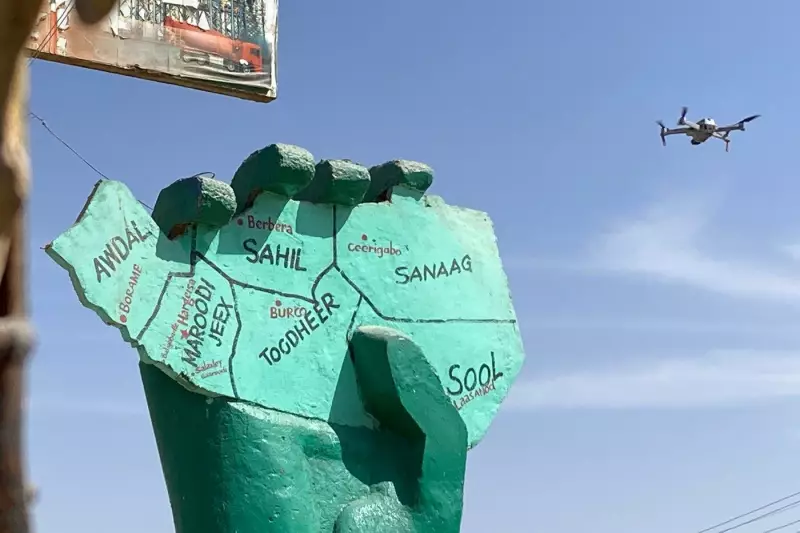
The announcement of Israel's recognition of Somaliland's independence has been met with fierce opposition from the Federal Government of Somalia. Mogadishu maintains that Somaliland is an integral part of its sovereign territory, despite the region having declared independence in 1991 and functioning as a de facto independent state with its own government, currency, and security forces for over three decades. This unilateral recognition by Israel undermines Somalia's territorial integrity and challenges the longstanding position of the African Union and most international actors, who have urged dialogue and unity.
Immediate Repercussions and Threats
The fallout was swift and severe. The Somali government issued a formal statement condemning the act as a blatant violation of international law and Somali sovereignty. Officials in Mogadishu hinted at potential retaliatory measures, though specifics were not immediately disclosed. Regional analysts warn that this move could embolden other secessionist movements and further destabilize the Horn of Africa, a region already grappling with terrorism, piracy, and political fragmentation. The recognition introduces a new and unpredictable variable into the delicate security calculus of East Africa.

Strategic Interests and Regional Dynamics
Israel's decision is widely viewed through a lens of strategic interest. Somaliland, with its capital in Hargeisa, occupies a strategically vital position along the Gulf of Aden, a key maritime chokepoint. For Israel, establishing formal ties could offer potential security and intelligence cooperation opportunities in a region often hostile to its interests. Furthermore, it provides a diplomatic foothold in Africa, countering the influence of rivals. However, this gambit risks alienating other African nations and complicating Israel's broader foreign policy objectives on the continent.
The international community now faces a delicate balancing act. Key players, including Canada, the United States, and European nations, have traditionally supported Somalia's territorial unity while engaging pragmatically with Somaliland authorities. Israel's unilateral action forces a reassessment and could strain its relations with partners who prioritize regional stability and the preservation of existing African borders.
As tensions flare, the immediate concern is whether this diplomatic recognition will translate into increased military or political support for Somaliland, potentially drawing the region into a new phase of confrontation. The coming weeks will be critical in determining whether this move leads to renewed conflict or becomes a catalyst for unforeseen diplomatic realignments in one of the world's most fragile regions.