In a significant and unexpected diplomatic development, the State of Israel has formally recognized the Republic of Somaliland as a sovereign and independent state. The announcement was made public by the Israeli Prime Minister's office on December 26, 2025.
A Historic Diplomatic Announcement
The declaration marks a major shift in the international status of Somaliland, a region that declared independence from Somalia in 1991 but has struggled to gain widespread global recognition. While no other nation has followed Israel's lead at this immediate moment, the move is poised to have substantial repercussions for geopolitics in the Horn of Africa and the broader Middle East.
The Israeli government's statement did not elaborate on the immediate practical implications of the recognition, such as the establishment of embassies or the specifics of bilateral relations. However, the political act itself grants a powerful legitimacy to Somaliland's long-standing claim to statehood.

Somaliland's Quest for Recognition
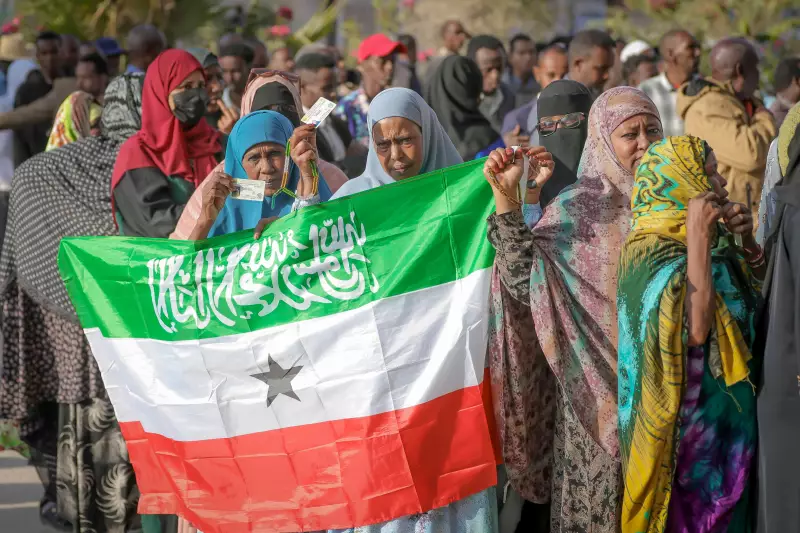
Somaliland, with its capital in Hargeisa, has functioned as a de facto independent state for over three decades, maintaining its own government, currency, and security forces. It has held multiple peaceful democratic elections, including a presidential vote in November 2024, and is often cited as a relative beacon of stability in a volatile region.
Despite this, the international community has largely withheld formal recognition, adhering to the principle of respecting Somalia's territorial integrity and often citing fears of triggering further fragmentation in the region. Israel's decision breaks from this consensus in a bold and unilateral manner.
Potential Regional and Global Consequences
Analysts suggest this recognition could recalibrate alliances and tensions in East Africa. It may prompt other nations to reconsider their positions on Somaliland and could influence ongoing dialogues about Somalia's federal structure. The move is also viewed through the lens of Israel's own foreign policy objectives, potentially seeking new partnerships in the Red Sea area, a strategically vital maritime corridor.
Reactions from the Federal Government of Somalia and the African Union are anticipated to be strongly negative, as both bodies have consistently supported Somalia's sovereignty over the territory. The international community now faces a new diplomatic challenge in balancing these competing claims.
For Somalilanders, the recognition by Israel represents a monumental diplomatic victory and a potential stepping stone toward broader international acceptance. The coming weeks will be critical in observing how other global powers respond to this new reality shaped by Israel's decisive announcement.