Iran's Top Diplomat Asserts Strength in Refusal Amid U.S. Negotiations
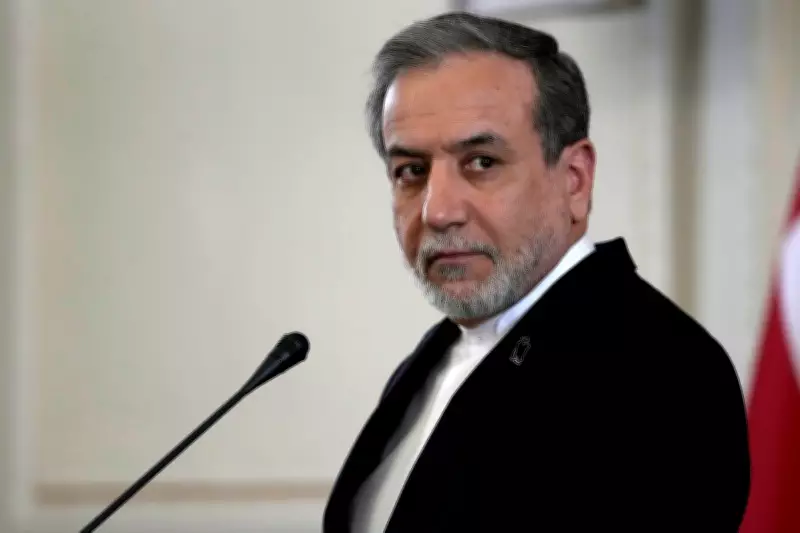
In a recent statement, Iranian Foreign Minister Abbas Araghchi has adopted a notably firm position regarding potential talks with the United States, emphasizing that Tehran's influence and power fundamentally stem from its ability to say 'no'. This declaration underscores the persistent and complex diplomatic tensions between Iran and the U.S., reflecting broader geopolitical struggles in the Middle East and beyond.
Araghchi's Hardline Rhetoric on International Stage
During a press briefing, Araghchi articulated that Iran's strategic advantage in foreign affairs is rooted in its refusal to acquiesce to external demands, particularly from Western powers like the United States. This stance is seen as a reinforcement of Iran's long-standing policy of resistance and sovereignty, which has been a cornerstone of its foreign policy for decades. The minister's comments come at a time when international relations are fraught with challenges, including nuclear negotiations, regional conflicts, and economic sanctions.
Context of U.S.-Iran Relations
The relationship between Iran and the United States has been marked by decades of hostility, punctuated by brief periods of diplomatic engagement. Araghchi's remarks highlight the deep-seated mistrust and ideological differences that continue to hinder progress in bilateral talks. Experts suggest that this hardline approach may be aimed at bolstering domestic support within Iran, while also signaling to the international community that Tehran will not compromise on its core principles.

This development has significant implications for global diplomacy, as it may influence other nations' strategies in dealing with Iran. The emphasis on refusal as a source of power could complicate future negotiations, potentially leading to increased isolation or further escalation of conflicts. Observers note that such rhetoric often precedes heightened tensions, making it a critical point of analysis for policymakers worldwide.
Looking AheadAs the situation evolves, the international community will closely monitor Iran's actions and statements for signs of potential shifts in policy. Araghchi's firm line serves as a reminder of the intricate and often volatile nature of international relations, where words can carry substantial weight in shaping geopolitical outcomes.