Iran's Military Facade Crumbles: Analysis of a Regime's Decline
For nearly five decades, Iran cultivated a reputation as an unpredictable and dangerous force in the Middle East, often compared to North Korea in its recklessness and nuclear ambitions. However, recent events have exposed significant weaknesses beneath this formidable exterior.
The Rise of Theocratic Rule
The mullahs seized power following the Shah's removal and the collapse of interim secular governments. Their ascent was marked by taking American hostages, executing opponents, and transforming Iran from one of the region's most modern nations into a medieval theocracy that harshly punished dissent. Despite inheriting vast oil reserves, sophisticated weaponry, and strategic geographic advantages, the regime largely squandered these resources.
Military incompetence became apparent during the eight-year war with Saddam Hussein's Iraq, where Iran demonstrated limited combat effectiveness. The regime avoided direct confrontation with American forces while supporting insurgents in Iraq and Afghanistan, resulting in thousands of U.S. casualties through proxy attacks.

Strategic Objectives and Hypocrisy
Iran's leadership pursued four primary strategies: forming alliances with Russia and China to counter Western influence, asserting Shiite dominance over Sunni Arab neighbors, working toward Israel's destruction through terrorist proxies, and diminishing U.S. presence in the Middle East. Despite anti-Western rhetoric, regime elites frequently sent their children to American universities while enjoying luxurious lifestyles.
The regime's perceived power peaked during the Obama administration, particularly through the Iran nuclear deal. Sanctions relief and diplomatic engagement created an illusion of Iranian strength, with the administration treating Iran as a victim rather than a threat.
Exposing the Hollow Core
Recent military actions have revealed Iran's fundamental weaknesses. Its proxies in Syria, Lebanon, Gaza, and Yemen have suffered significant defeats when confronted directly. The Israeli Defense Forces nearly obliterated Hamas, while U.S. and Israeli strikes demonstrated the vulnerability of Houthi infrastructure in Yemen.
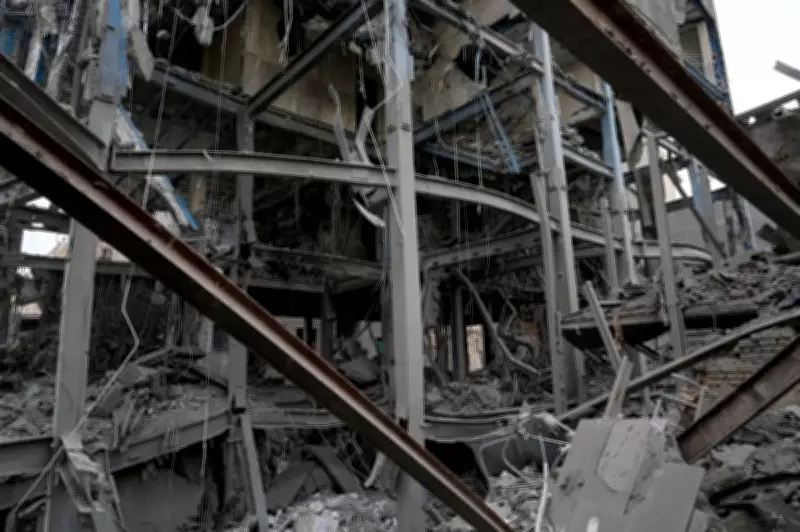
By March 2026, systematic attacks have dismantled Iran's military facade, exposing corruption, technological limitations, and poor morale within the Revolutionary Guard. The regime's survival strategy now relies on waiting out political opponents and hoping for renewed sympathetic Western leadership.
Future Implications
The crumbling of Iran's military reputation raises important questions about why previous administrations tolerated its aggression and why Israel delayed direct confrontation. As the regime clings to power, its leaders fantasize about eventual nuclear capability and continued disruption through terrorist networks.
This analysis suggests that Iran's true weakness has been masked by decades of strategic bluster and Western miscalculation. The regime's survival now depends more on political timing than military capability, with its leaders hoping for favorable changes in U.S. and Israeli leadership to resume their disruptive regional role.