Iran's Supreme Leader Firmly Rejects De-escalation Proposals
In a significant development reported by Reuters, Iran's new supreme leader has categorically rejected proposals for de-escalation that were conveyed through intermediaries. An official statement confirmed this stance, highlighting a firm position amid ongoing regional tensions. This decision underscores the leadership's commitment to its current strategic direction, despite international efforts to mediate and reduce hostilities.
Background and Context of the Rejection
The proposals, which aimed to ease tensions in the volatile Middle East region, were reportedly presented by various intermediaries seeking to broker peace. However, the supreme leader's dismissal indicates a reluctance to engage in dialogue that could compromise Iran's perceived interests or sovereignty. This move comes at a time when global powers are increasingly concerned about the potential for broader conflict, with disruptions to shipping routes and humanitarian crises already emerging.
Official sources emphasized that the rejection was not made lightly, but rather reflects a calculated assessment of Iran's geopolitical priorities. The supreme leader's stance is seen as a signal to both domestic and international audiences, reinforcing a narrative of resilience and independence in foreign policy matters.

Implications for Regional and Global Dynamics
This rejection has immediate implications for regional stability, as it may hinder efforts to de-escalate conflicts that have drawn in multiple actors. Experts warn that without diplomatic breakthroughs, the situation could deteriorate further, potentially affecting millions of people through increased hunger and displacement, as highlighted by recent reports from organizations like the World Food Programme.
Moreover, the decision could impact global economic and security interests, particularly in key areas like the Strait of Hormuz, where Canada's foreign affairs minister has recently called for non-weaponization. The lack of specifics on support from countries like Canada adds to the uncertainty, as nations grapple with how to respond to Iran's unwavering position.
Analysis of Leadership and Policy Direction
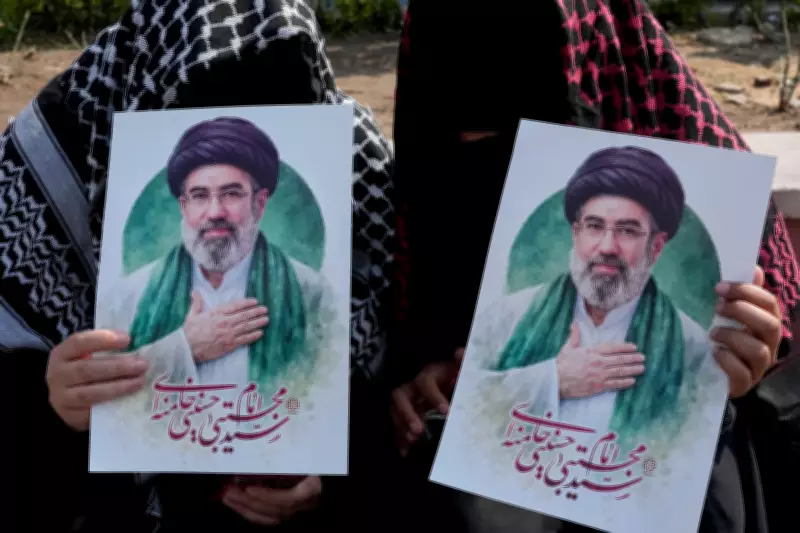
Since assuming the role, the new supreme leader has been portrayed in state media as a figure of strength, with public displays of support, such as campaigns in Tehran's Enqelab-e-Eslami square. This rejection of de-escalation proposals aligns with that image, suggesting a continuity of hardline policies that prioritize national interests over international diplomacy.
- The move may bolster domestic support by appealing to nationalist sentiments.
- It could complicate relations with countries seeking peaceful resolutions, including those involved in recent discussions like Canada and the UK.
- Future prospects for dialogue remain uncertain, with potential ripple effects on issues like nuclear negotiations and regional alliances.
In summary, Iran's supreme leader's rejection of de-escalation proposals marks a pivotal moment in Middle Eastern geopolitics, with far-reaching consequences for peace and stability in the region and beyond.