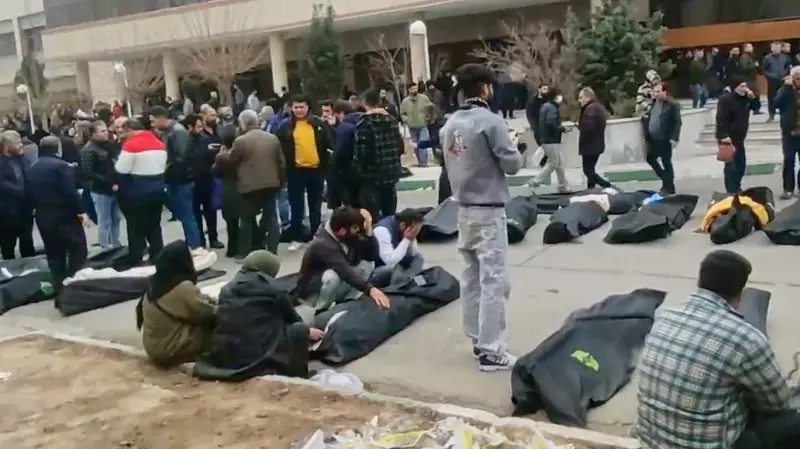
For the first time since a severe government crackdown, citizens in Iran have managed to make contact with the outside world. The development comes after a period of intense isolation during nationwide protests, where authorities had cut off communications in an attempt to quell dissent.
A Nation Silenced, Then a Flicker of Connection
The Associated Press reported that the initial calls were made on January 13, 2026. This marks a significant, though fragile, reopening of lines that had been completely severed. The Iranian regime's move to impose a near-total communication blackout was a central tactic during its response to the unrest, a strategy described by human rights activists as "absolutely brutal." The blackout left families globally, including a large diaspora in Canada, in agonizing uncertainty about the safety of loved ones.
Iranian communities in Canadian cities like Winnipeg have been on edge, desperately waiting for any word from family and friends back home. The inability to communicate amplified fears, with one protest attendee describing the situation as "horrifying" as violence continued on the ground.

Diaspora Reaction and International Context
The protests in Iran have resonated deeply with the global Iranian community. While some in the diaspora have been hesitant to speak out on camera against the regime for fear of reprisals against relatives, demonstrations have occurred internationally. A disturbing incident saw a U-Haul truck barrel through a crowd at an anti-regime demonstration in Los Angeles.
Experts note that the current protest movement differs from previous revolutionary waves in Iran. Meanwhile, on the international stage, former U.S. President Donald Trump's threat to impose 25% tariffs on Iran's trading partners has led analysts to suggest there is "not much" Iran can do in response, highlighting its economic vulnerabilities.
A Long Road Ahead
The restoration of limited communication is a small relief but does not signify an end to the crisis. The crackdown within Iran continues, and the fundamental issues driving the protests remain unaddressed. The world watches closely as Iranians, both inside the country and abroad, navigate this period of profound tension and seek accountability for the government's actions.
The situation underscores the challenges of governing in the digital age, where controlling information is both a powerful tool for authorities and a key point of contention for citizens demanding freedom and human rights.