Iran's Supreme Leader Warns U.S. Attack Could Ignite Regional War
In a significant geopolitical development, Iran's supreme leader has issued a stark warning that any military action by the United States would lead to a broader regional conflict. This statement, delivered in early February 2026, underscores the escalating tensions between the two nations amid ongoing disputes over nuclear programs, regional influence, and security concerns.
Escalating Rhetoric and Regional Implications
The warning comes at a time of heightened friction, with Iran's leadership emphasizing that an attack would not be contained but would instead spark a wider war involving multiple countries in the Middle East. This rhetoric reflects Iran's strategic posture of deterrence, aiming to dissuade potential U.S. aggression by highlighting the catastrophic consequences for regional stability.
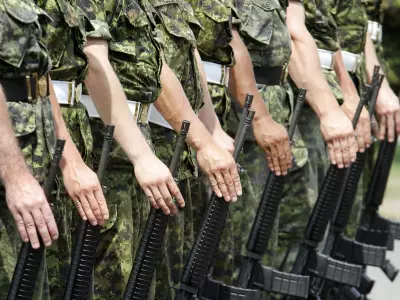
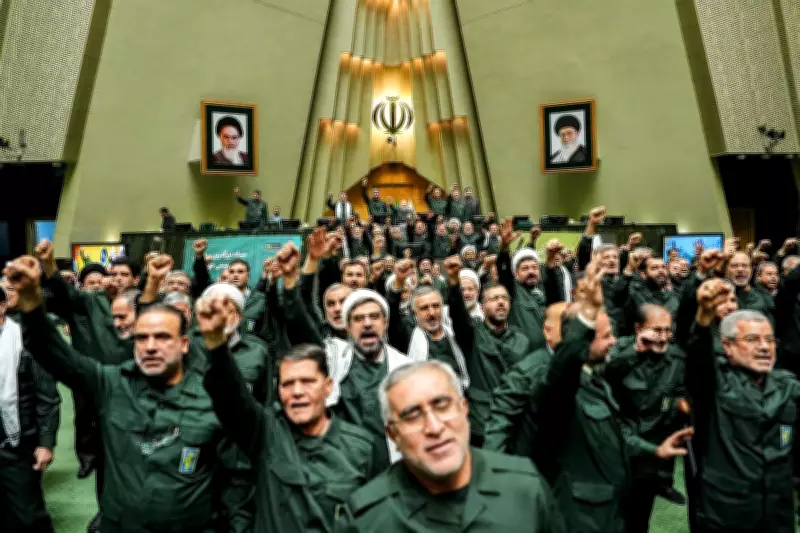
Analysts note that such statements are part of a broader pattern of brinkmanship, as Iran seeks to assert its sovereignty and counter perceived threats from Western powers. The supreme leader's message was reinforced by symbolic gestures, such as Iranian lawmakers wearing Revolutionary Guard uniforms during parliamentary sessions, signaling national unity and military readiness.

Context of U.S.-Iran Relations
Relations between the United States and Iran have been strained for decades, with recent years seeing fluctuations due to nuclear deal negotiations, sanctions, and proxy conflicts in the region. The warning from Iran's supreme leader adds to a series of diplomatic and military posturing, raising concerns about the potential for miscalculation or unintended escalation.
International observers are closely monitoring the situation, as any conflict could disrupt global oil supplies, exacerbate humanitarian crises, and draw in allied nations. The United States has not publicly responded to the latest warning, but previous administrations have maintained a policy of strategic patience combined with economic pressure.
Potential Outcomes and Global Concerns
If tensions boil over into open conflict, the regional war scenario could involve:
- Direct military engagements between U.S. and Iranian forces.
- Proxy battles through allied groups in countries like Syria, Iraq, and Yemen.
- Disruptions to international shipping lanes in the Persian Gulf.
- Increased volatility in global energy markets.
This development serves as a reminder of the fragile state of international diplomacy and the high stakes involved in managing rivalries between major powers. As the world watches, the hope remains for de-escalation through dialogue and multilateral efforts to address underlying issues peacefully.