Iran's Top Diplomat Signals Openness to Nuclear Dialogue While Drawing Clear Boundaries
Iranian Foreign Minister Abbas Araghchi has indicated that Tehran hopes to resume nuclear negotiations with the United States in the near future, while simultaneously delivering a stern warning against any potential American military aggression. The diplomatic developments come amid heightened tensions in the Middle East region and complex international relations.
Nuclear Negotiations and Tehran's Unwavering Positions
During a recent interview with Al Jazeera network, excerpts of which were published on his official Telegram channel, Araghchi characterized the recent indirect talks held in Muscat, Oman as "a good start" toward renewed diplomatic engagement. Despite this positive assessment, the Iranian diplomat emphasized that building trust between the long-standing adversaries would require considerable time and sustained effort.
Araghchi revealed that during Friday's discussions in Oman, an unexpected opportunity emerged for representatives to "shake hands with the American delegation," marking a significant moment in the strained bilateral relationship. He confirmed that further negotiations are expected to resume "soon," suggesting ongoing diplomatic channels remain active between the two nations.

Iran's Non-Negotiable Defense Programs
The Iranian foreign minister drew clear red lines regarding Tehran's military capabilities, stating unequivocally that Iran's missile program was "never negotiable" during the recent talks. He framed this position as relating directly to national defense priorities, suggesting that any discussion of limiting Iran's ballistic missile development would fall outside acceptable negotiation parameters.
Similarly, Araghchi asserted that nuclear enrichment represents Iran's "inalienable right" that must continue uninterrupted. While expressing willingness to reach "a reassuring agreement on enrichment," he maintained that the Iranian nuclear case could only be resolved through diplomatic negotiations rather than unilateral demands or external pressure.
Warning Against American Military Action
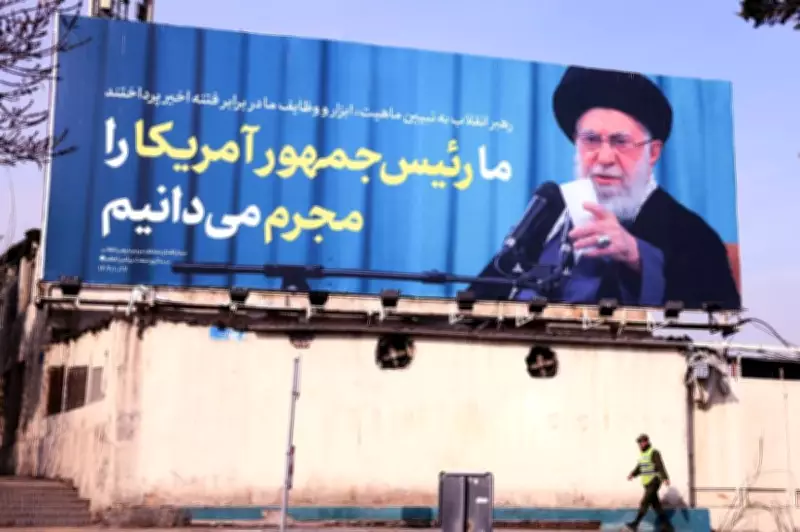
In perhaps the most pointed segment of his remarks, Araghchi issued a direct warning to the United States regarding potential military confrontation. He stated clearly that if Washington were to attack Iranian territory, Tehran would respond by targeting U.S. bases throughout the region.
This warning comes against the backdrop of a significant U.S. military buildup in the Middle East, which itself followed Iran's crackdown on domestic protests that began in late December. The protests were reportedly driven by economic grievances within the country.
Diverging Negotiation Priorities and Regional Context
The diplomatic landscape reveals fundamentally different priorities between the negotiating parties. While Washington has sought to expand discussions to include Iran's ballistic missile program and its support for militant groups in the region—issues that Israel has reportedly pushed to include—Tehran has repeatedly rejected broadening the scope beyond nuclear matters.
These unprecedented talks between the two arch-enemies follow the collapse of nuclear negotiations last year, which occurred after Israel's unprecedented bombing campaign against Iran triggered a 12-day conflict. During that war, U.S. warplanes reportedly bombed Iranian nuclear sites, further complicating the diplomatic landscape.
Economic Dimensions and International Sanctions
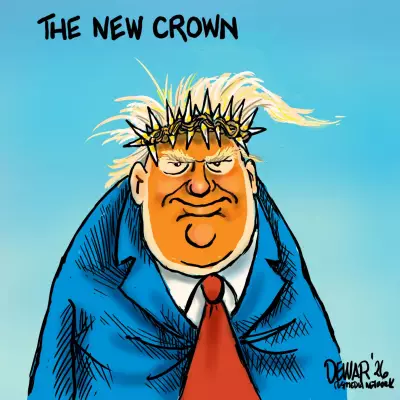
The diplomatic maneuvering occurs alongside continued economic pressure on Iran. U.S. President Donald Trump, while calling the recent talks "very good" and pledging another round of negotiations for the following week, simultaneously signed an executive order imposing tariffs on countries continuing to do business with Iran.
Additionally, the United States announced new sanctions targeting numerous shipping entities and vessels, with the apparent goal of curtailing Iran's oil exports. These economic measures create a complex backdrop for diplomatic engagement, as Iran maintains significant trade relationships, particularly with China.

According to World Trade Organization data, more than a quarter of Iran's trade involves China, with approximately $18 billion in imports and $14.5 billion in exports recorded for 2024. This economic relationship provides Tehran with some insulation from Western sanctions but doesn't eliminate the pressure entirely.
The diplomatic dance between Iran and the United States continues to evolve, with both sides expressing cautious optimism about renewed talks while maintaining firm positions on their respective security concerns. As regional tensions persist and economic pressures mount, the path toward sustainable agreement remains uncertain but potentially consequential for Middle Eastern stability.