Mounting pressure is being placed on the United States to take direct military action against Iran's Islamic regime, following reports that the death toll from its brutal crackdown on pro-democracy protesters has reached a staggering 12,000. The calls for intervention come as the scale of the regime's retaliation against its own people becomes horrifyingly clear.
Unprecedented Protests Meet Savage Repression
Since late December, millions of Iranians have flooded the streets in a historic wave of dissent, demanding an end to the theocratic rule that has dominated the nation for 46 years. While protests have erupted before, analysts note the current movement's unprecedented breadth and intensity. The regime's response, however, has been correspondingly severe.
After shutting down the nation's internet on January 8, Iranian security forces launched a widespread and lethal assault on demonstrators. Despite efforts to conceal the carnage, disturbing reports and imagery have filtered out to the international community, painting a grim picture of state-sponsored violence.

A Glimpse into the Horror: Overflowing Morgues and Catatonic Grief
Leaked videos and photographs reveal the grim aftermath. Morgues are shown overflowing, with corpses blanketing floors. The images are stark: young men with faces smeared in blood, shot at close range, their bodies prepared for burial with arms folded. In one particularly harrowing scene, a young woman lies on a dusty floor, catatonic, clutching a body bag containing a loved one.
The exact number of dead remains difficult to verify independently, but estimates from sources within the country are chilling. An unidentified Iranian official told Reuters that approximately 2,000 had been killed. However, diaspora media outlet Iran International reported a figure of 12,000, based on information from government and security contacts. Another source speaking to CBS suggested activist groups inside Iran estimate the toll could be between 12,000 and 20,000.
Even the most conservative of these figures is devastating, especially given the violence was condensed into a matter of days. For context, the regime's crackdown in 2019 resulted in an estimated 1,500 deaths over a two-week period.
International Response and Calls for U.S. Military Action
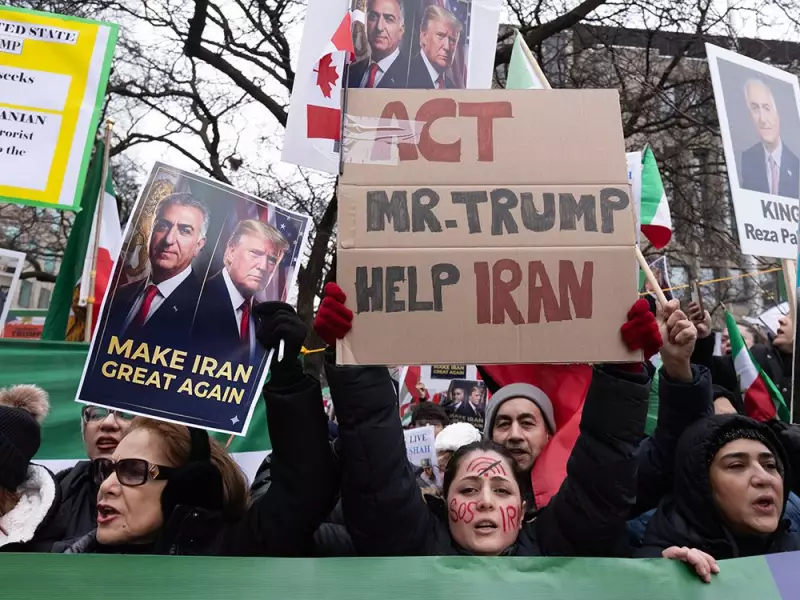
The crisis has galvanized the Iranian diaspora worldwide. In Toronto, protesters gathered outside the U.S. consulate, appealing directly to U.S. President Donald Trump to end the Iranian regime. Their pleas echo a growing argument among some commentators that the moral imperative for regime change is now clear and that the Iranian people themselves are demanding foreign assistance.
Last week, President Trump issued repeated warnings to Tehran, promising "dire consequences" if the massacre of protesters continued. On Tuesday, January 13, he reinforced this stance in a social media post, urging Iranians to "keep protesting" and "save the names of the killers," assuring them that "help is on its way" and those responsible "will pay a big price."
This rhetoric has fueled debate over whether the United States should move beyond warnings to direct military strikes. Advocates for intervention argue that failure to act constitutes a profound historical injustice and squanders a pivotal chance for democratic transformation in the region. They contend that the Iranian people's clear desire for change, met with such extreme brutality, creates a compelling case for bombing campaigns aimed at crippling the regime's security apparatus.
As the world watches, the situation in Iran remains critical. The staggering reported death toll underscores the regime's willingness to use extreme violence to maintain power, while simultaneously amplifying global calls for a decisive international response.