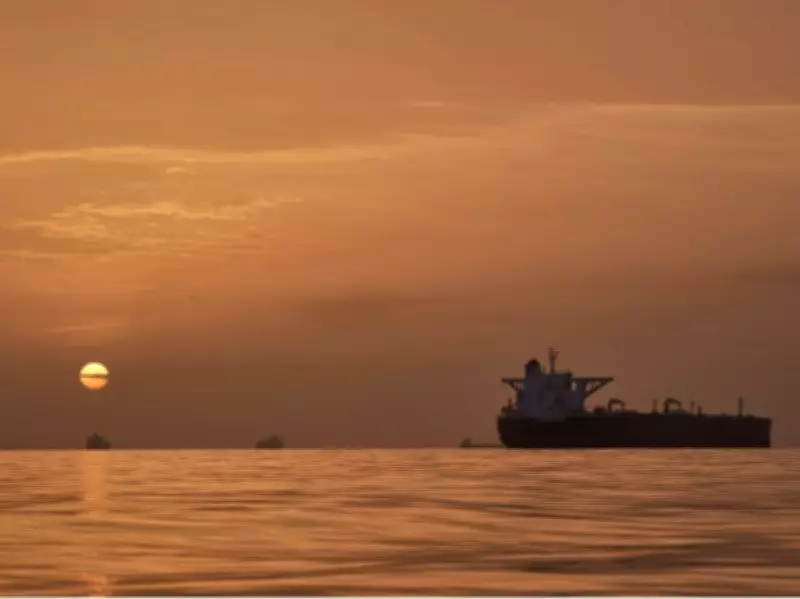
Iran has proposed reopening the Strait of Hormuz without linking it to its nuclear program, according to regional officials speaking on condition of anonymity. The proposal, conveyed to the United States via Pakistan, also calls for an end to the US blockade of Iran. This development comes amid ongoing tensions and a US-led blockade that has turned around 38 ships, as reported by US Central Command.
Iran's Proposal and US Response
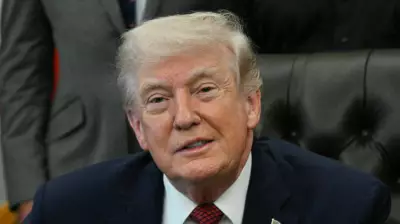
Iranian Foreign Minister Abbas Araghchi was in Russia on Monday for talks with President Vladimir Putin, part of a broader diplomatic trip that included stops in Pakistan and Oman. Pakistan-led mediators are working to bridge gaps between the US and Iran. However, the proposal is unlikely to gain US President Donald Trump's support, as he insists on addressing Iran's atomic program as part of any comprehensive deal to make a ceasefire permanent. Trump stated, "We have all the cards. If they want to talk, they can come to us, or they can call us."
Diplomatic Efforts and Challenges
Araghchi described his Russia trip as an opportunity to coordinate with Moscow after the war with Israel and the United States. He blamed Washington's "excessive demands" for delaying negotiations that were planned in Islamabad. Trump has questioned who is in charge in Iran, suggesting confusion within its theocracy complicates reaching a deal. The situation remains fluid, with both sides holding firm positions.

The proposal, first reported by Axios, highlights the complex interplay of regional and international interests. Iran seeks to alleviate economic pressure from the blockade while maintaining its nuclear stance, while the US aims to curb Iran's nuclear capabilities. The outcome of these negotiations could significantly impact global oil markets and regional stability.