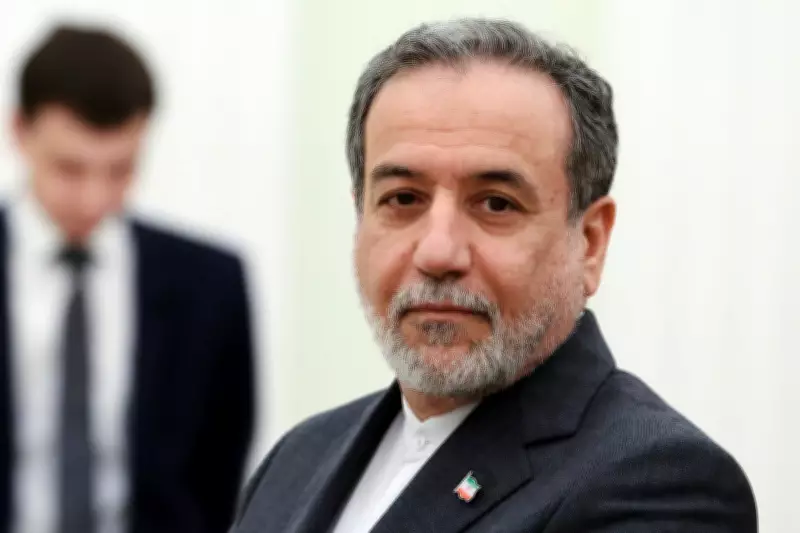
Iranian Foreign Minister Abbas Araghchi has signaled Tehran's willingness to lift its chokehold on the Strait of Hormuz, a critical passageway for global oil shipments, in exchange for the United States ending its naval blockade, according to officials familiar with the discussions. The proposal, conveyed through diplomatic channels, aims to de-escalate a long-standing standoff that has threatened global energy markets and regional stability.
Diplomatic Breakthrough
The offer marks a significant shift in Iran's posture, which had previously used the strategic waterway as leverage in negotiations over its nuclear program and sanctions. U.S. officials have not yet issued an official response, but sources indicate that the proposal is being reviewed as part of broader efforts to reduce tensions in the Persian Gulf.
Strategic Implications
The Strait of Hormuz is a vital chokepoint, through which about 20% of the world's oil passes. Any disruption could cause oil prices to spike and trigger global economic repercussions. Iran's willingness to negotiate on this issue suggests that Tehran may be seeking relief from economic pressures amid ongoing sanctions.

Regional Reactions
Other Gulf states, including Saudi Arabia and the United Arab Emirates, have cautiously welcomed the development, though they remain wary of Iran's intentions. Analysts note that a successful agreement could pave the way for broader discussions on regional security and Iran's nuclear activities.
The talks are expected to continue in the coming weeks, with potential mediation by European or Asian powers. Observers will be watching closely to see if this diplomatic opening leads to a tangible reduction in hostilities.