Iran Seizes Propaganda Opportunity Amid Escalating Pope-Trump Conflict
The ongoing confrontation between Pope Leo XIV and former U.S. President Donald Trump has evolved into an unexpected geopolitical development, with Iran's leadership actively exploiting the rift for propaganda purposes. What began as a religious and political disagreement has transformed into a strategic opportunity for Tehran's theocratic regime.
Controversial Imagery Sparks Global Outrage
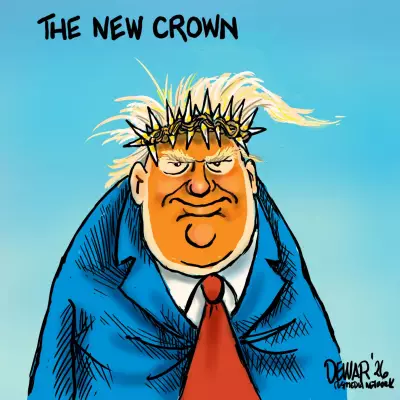
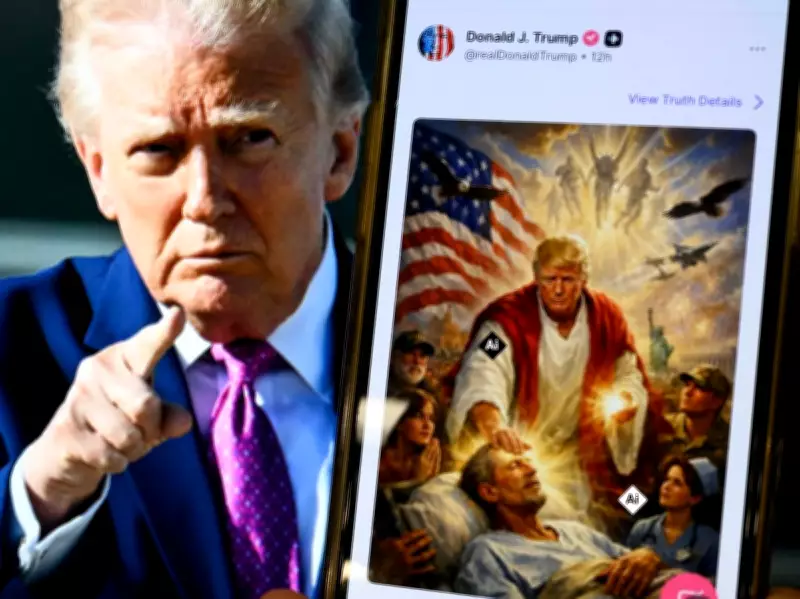
In April 2026, President Donald Trump generated international controversy by posting AI-generated imagery depicting himself as Jesus Christ on his Truth Social platform. The provocative post, which coincided with sharp criticism of Pope Leo XIV, prompted widespread condemnation across political and religious circles.
Global reactions ranged from Italian Prime Minister Giorgia Meloni's condemnation of what she called "the desecration of Jesus" to Cardinal Joseph W. Tobin's criticism from Newark, New Jersey. Mainstream media outlets described Trump's actions as "unhinged and unChristian," creating a perfect storm of diplomatic tension between Washington and Rome.

Iran's Strategic Intervention
What makes this situation particularly complex is Iran's enthusiastic entry into the controversy. Press TV, Iran's primary English-language propaganda outlet, prominently featured headlines defending Pope Leo XIV against Trump's "unhinged and unChristian" rhetoric. This marked a significant departure from typical Iranian media coverage of Western religious figures.
Mohammad Bagher Ghalibaf, speaker of Iran's parliament, publicly asserted that "the leadership of Pope Leo XIV inspires millions," while Iranian President Masoud Pezeshkian expressed offense at Trump's AI-generated religious imagery. The coordinated Iranian response represents a calculated propaganda maneuver rather than genuine religious solidarity.
Geopolitical Implications of Religious Diplomacy
The situation reached a new level of complexity when Ayatollah Nouri Hamedani, one of Iran's most senior clerics, sent a formal letter to Pope Leo XIV. In his correspondence, Hamedani urged the pontiff to lead a global coalition of monotheistic religions in support of Iran, Lebanon, and Palestine.
"Undoubtedly, your courageous position against American arrogance and corrupt Zionism was among the most necessary stances—one that will etch your name and actions into global memory," Hamedani wrote to the first American pope in history.
Hamedani, known for his anti-liberal and anti-secular rhetoric, has previously made controversial statements about Jewish influence, claiming that Europe and the United States have become "slaves" to Jewish financial interests. His intervention in the Pope-Trump conflict adds another layer of complexity to an already volatile situation.
Unintended Consequences of Vatican-US Tensions
Pope Leo XIV's criticisms of American-Israeli policies toward Iran, while consistent with Vatican diplomatic positions, have created unintended consequences. The pontiff clearly did not anticipate that his condemnations would provide such valuable propaganda material to what many Western governments consider the world's foremost terrorist state.
The growing estrangement between Washington and Rome, which has been developing for several months, has reached a point where Iran's leadership feels comfortable positioning itself as a defender of the Catholic Church against American political figures. This represents a significant shift in Middle Eastern-Western religious diplomacy.
The situation illustrates how domestic political conflicts in Western democracies can be exploited by authoritarian regimes for international propaganda purposes. As tensions between the Vatican and Washington continue to simmer, Iran's strategic intervention demonstrates the complex interplay between religion, politics, and international relations in the 21st century.