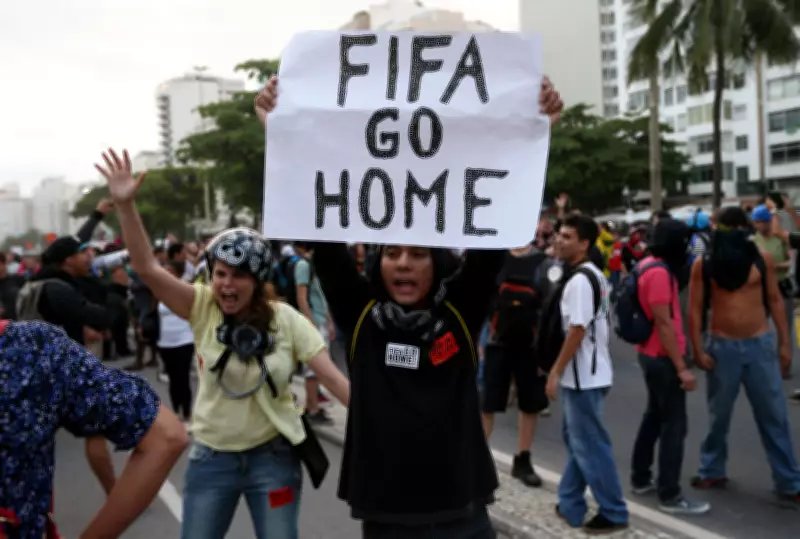
An unexpected side effect of current U.S. immigration regulations is emerging as the 2026 FIFA World Cup approaches, with reports indicating that some international soccer enthusiasts are opting to skip the tournament's American-hosted matches. This development highlights how geopolitical factors can directly impact major sporting events and global fan participation.
Policy Impacts on International Travel
The complex landscape of U.S. immigration and visa requirements has created barriers for certain foreign nationals who had planned to attend World Cup games across American cities. While the tournament represents a significant economic opportunity for host nations, these administrative hurdles are causing hesitation among potential visitors from various regions.
Security Measures and Public Perception
In preparation for the international event, security protocols are being enhanced across host cities. Crime analyst Steve Ryan has noted that public transit systems can expect increased police visibility ahead of the June tournament. These security enhancements, while intended to ensure safety, may contribute to a perception of heightened scrutiny that could further influence travel decisions.

Broader Context of U.S.-Canada Relations
The immigration policy discussion occurs alongside other developments in North American relations. A newly established Canada-U.S. advisory council includes former premiers and an ex-Conservative leader, reflecting ongoing efforts to strengthen bilateral cooperation. However, political figures like Pierre Poilievre have criticized what they perceive as Canada's diminished leverage in these negotiations.
Economic and Sporting Implications
The potential reduction in international attendance carries economic consequences for host cities anticipating tourism revenue from World Cup visitors. Meanwhile, the sporting world continues with other developments, including John Korir's record-breaking Boston Marathon performance and Formula One implementing rule changes following driver feedback.
As the 2026 World Cup draws nearer, the intersection of immigration policy and international sporting events remains a complex issue affecting fan experiences, economic projections, and cross-border relations in North America.