Germany's vice chancellor issued a call for tighter cooperation between the European Union and like-minded nations including Canada and the U.K. to better protect themselves against the whims of big powers such as the U.S.
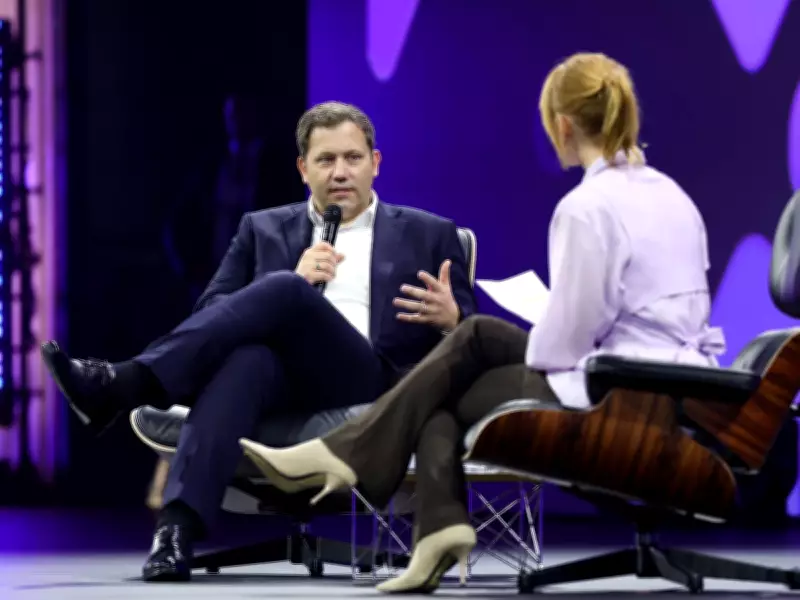
Speaking in an interview en route to Canada, Lars Klingbeil, the German Social Democratic co-leader and finance minister, said Europe has a role in organizing new alliances in a world order being upended by U.S. President Donald Trump and the rise of China.
“It is important to me that we increase our resilience and make ourselves less vulnerable to blackmail,” Klingbeil said late Thursday as he flew to Toronto for a two-day trip for meetings with officials including Prime Minister Mark Carney.

The German deputy leader joined other U.S. allies in warning that the world order forged by the U.S. in the decades after the Second World War is beyond repair, making new partnerships on security and trade necessary.
Carney, who earlier this year delivered a blunt warning that the rules-based order was dead, drove home the point this week at a leaders meeting in Armenia, calling on them not to submit to a more “transactional, insular and brutal world.”
Klingbeil said Germany and Europe can play a central role in redrawing the geopolitical map. He cited Russia’s four-year, full-scale invasion of Ukraine and the U.S.-led war on Iran as factors that have brought Europe’s vulnerabilities “into sharp relief.”
“Reducing dependencies and diversifying our base therefore remains crucial for us,” the German minister said.
Klingbeil, the deputy of Chancellor Friedrich Merz, has offered a pointed response to Trump, who attacked Merz after the German leader said the U.S. was being “humiliated” by Iranian negotiators. The U.S. president hurled insults at Merz, announced a withdrawal of more than 5,000 American troops from Germany and threatened to ratchet up tariffs on European auto imports.
On Thursday, as Klingbeil reported on plummeting federal tax revenue, he laid the blame for Germany’s faltering economy on Trump’s “reckless war and the resulting global energy price shock.”
In contrast, German Foreign Minister Johann Wadephul, a conservative from Merz’s Christian Democrats, sought to repair transatlantic relations, telling Bloomberg on Thursday that Berlin supports the U.S. aim to ensure Iran can’t obtain a nuclear weapon. The Merz-Trump spat was the result of a “big misunderstanding,” he said.
European nations are reassessing their relations with the U.S. in light of Trump’s tariff policy, penchant for undercutting NATO allies and threats earlier this year to seize Greenland, a territory of Denmark. That event focused minds among European leaders, who united against the threat before the U.S. president relented.
“The Greenland moment showed that Europeans can get Trump to back down if they present a united front,” Klingbeil said. “We shouldn’t underestimate that and should act with greater confidence in the future.”
Those developments accelerated efforts to move toward greater independence and deepen cooperation with “like-minded countries that respect international law, support the multilateral order and are part of a community of values,” the German said.