German Opposition Leader Issues Stark Warning on Iran's Future
In a significant foreign policy declaration, Friedrich Merz, the leader of Germany's Christian Democratic Union (CDU), has publicly stated that the days of the current Iranian regime are numbered. This bold pronouncement comes amidst a backdrop of persistent domestic unrest within Iran and escalating international scrutiny over the nation's policies and human rights record.
A Firm Stance from a Key European Political Figure
Merz, who leads the primary opposition party in Germany, made these remarks during a recent political address. His comments reflect a hardening stance among some Western political circles regarding the longevity and stability of Iran's governing establishment. The statement is interpreted as a show of solidarity with Iranian citizens who have been involved in widespread protests against their government in recent years.
This is not an isolated sentiment. Similar criticisms have been voiced by other international leaders and human rights organizations, pointing to internal dissent and economic challenges within Iran. Merz's position underscores a growing consensus in parts of Europe that fundamental change within the Islamic Republic may be inevitable.

Context of Regional and Global Tensions
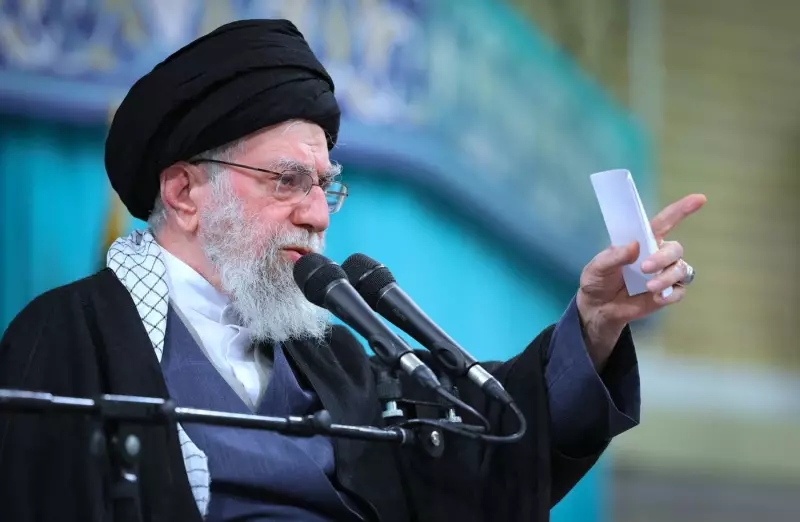
The Iranian government, led by Supreme Leader Ayatollah Ali Khamenei, has faced continuous pressure both domestically and from abroad. Issues ranging from nuclear negotiations to regional proxy conflicts and the suppression of civil liberties have kept Iran at the forefront of global diplomatic discussions. Merz's declaration adds a prominent European voice to the chorus of those questioning the regime's future viability.
Analysts suggest that such statements from influential foreign politicians can impact international diplomatic strategies and potentially embolden opposition movements inside Iran. However, the Iranian government has consistently dismissed external criticism, asserting its sovereignty and resilience against what it labels as foreign interference.
Implications for German-Iranian Relations
As the leader of Germany's main opposition party, Merz's views signal a potential shift in the country's approach to Iran should his party return to power. Germany has historically played a key role in European diplomacy with Iran, particularly through the Joint Comprehensive Plan of Action (JCPOA), commonly known as the Iran nuclear deal. Statements like these could foreshadow a more confrontational policy stance in the future.
The international community continues to watch Iran closely, with its internal dynamics and external relations remaining a critical issue for global security and Middle Eastern stability. Merz's unequivocal prediction adds another layer to the complex and ongoing discourse surrounding Iran's political trajectory.