Residents of the Gaza Strip are preparing for another bout of harsh winter weather as diplomatic efforts to secure a ceasefire in the ongoing conflict between Israel and Hamas remain in a delicate state. The situation is particularly dire for the hundreds of thousands of Palestinians displaced by the fighting, many of whom are living in flimsy, temporary shelters.
Life in Makeshift Camps Amidst the Cold
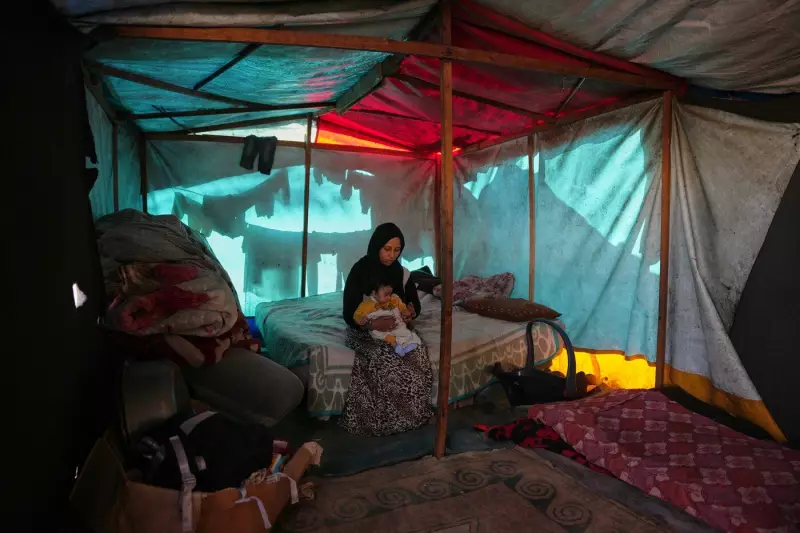
The human cost of the war is starkly visible in the sprawling tent cities that have emerged across Gaza. On Saturday, December 27, 2025, 25-year-old Shaimaa Wadi was photographed inside her family's tent in a makeshift camp for displaced people in Deir al-Balah, in the central Gaza Strip. She sat with her one-year-old daughter, Tala, highlighting the vulnerability of families trying to survive the winter in inadequate conditions.
Forecasts predict more rain and chilly temperatures, threatening to compound the humanitarian crisis. The tents and temporary structures offer little protection against the elements, raising concerns about the spread of illness and further suffering for a population already grappling with severe shortages of food, clean water, and medical supplies.

The Stalled Path to a Truce
Against this backdrop of human hardship, international mediators continue their work behind the scenes. The world is watching for any word of progress in the complex negotiations aimed at halting the hostilities. A ceasefire would not only stop the violence but also allow for a significant increase in the delivery of critically needed aid into the besieged territory.
The talks have faced numerous obstacles, with key issues such as the duration of a truce, the exchange of prisoners and hostages, and the long-term governance of Gaza remaining major points of contention. The outcome of these discussions holds the key to whether families like Shaimaa Wadi's will face another season of war or find a respite from the conflict.
A Crisis with No Easy End in Sight
The combination of military conflict, mass displacement, and deteriorating weather creates a perfect storm of humanitarian need. Aid organizations have repeatedly warned that the current levels of assistance are insufficient to meet the massive demand. The coming rains symbolize the added layer of natural adversity that Gazans must now endure on top of the man-made destruction surrounding them.
As the new year approaches, the immediate future for Gaza's population remains uncertain. Their hopes are pinned on two fronts: the skies holding back the worst of the winter storms and the negotiation rooms producing a breakthrough that could bring sustained peace and the chance to rebuild shattered lives.