Heavy winter storms have unleashed a new wave of suffering across the Gaza Strip, where freezing rain has flooded makeshift camps and left hundreds of thousands of displaced Palestinians in increasingly desperate conditions.
A Crisis Compounded by Winter Weather
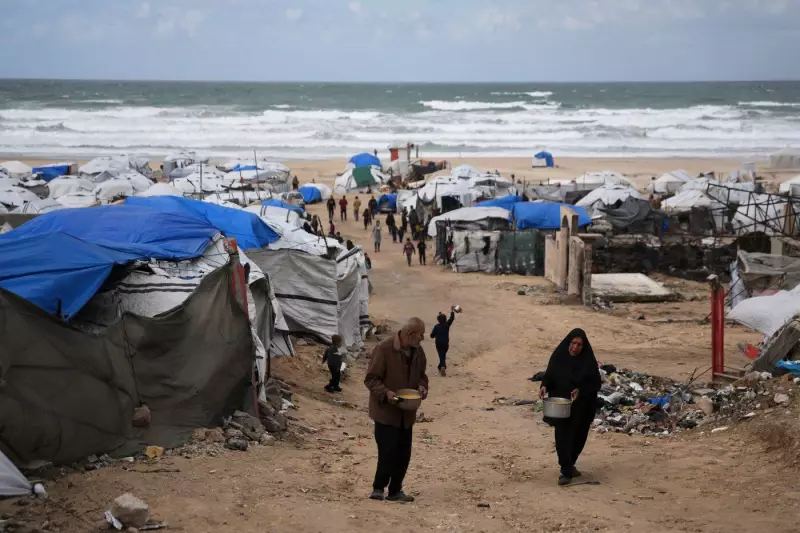
The severe weather, which hit on Sunday, December 28, 2025, transformed already precarious tent encampments into waterlogged quagmires. Photographs from the scene, including those taken by AP photographer Jehad Alshrafi, show Palestinians wading through deep puddles and receiving donated food on the beach near the port of Gaza City. The freezing rain has soaked through temporary shelters, bedding, and the few personal belongings families managed to carry with them, stripping away any remaining warmth and comfort.
Dire Conditions for the Displaced
This meteorological blow exacerbates what was already one of the world's most severe humanitarian catastrophes. The population, displaced by the ongoing Israel-Hamas war, now faces the dual threats of exposure, illness, and a complete lack of adequate shelter. The flooding has contaminated water sources, increased the risk of waterborne diseases, and made the distribution of already scarce aid even more difficult. For families living in tents or under tarps, the cold and wet conditions pose a direct threat to survival, particularly for children, the elderly, and the infirm.

An Unfolding Humanitarian Catastrophe
The situation underscores the extreme vulnerability of Gaza's displaced population as winter takes hold. International aid organizations have repeatedly warned of a secondary disaster stemming from disease and exposure if adequate shelter, warm clothing, and medical supplies are not delivered swiftly and at scale. The flooding from the freezing rain is a stark illustration of how environmental factors are now intensifying the man-made crisis, pushing an exhausted population closer to the brink.
As the war continues with no end in sight, the latest bout of severe weather serves as a cruel reminder of the immediate, life-threatening challenges facing civilians in Gaza beyond the conflict's direct violence. The need for a sustained humanitarian corridor and a massive increase in aid has never been more urgent.