France to Revoke U.S. Envoy's Government Access After Summons No-Show
In a significant diplomatic escalation, France has announced its intention to revoke the government access privileges of U.S. Ambassador Charles Kushner. This decision comes after Ambassador Kushner failed to attend a formal summons issued by French authorities, sparking tensions between the two nations.
Background of the Diplomatic Incident
Ambassador Kushner, who has served as the U.S. envoy to France since his appointment, was summoned by French officials for discussions on an undisclosed matter. The summons, which was scheduled for a recent date, went unanswered by the ambassador, leading to immediate repercussions from the French government. This move underscores the seriousness with which France views diplomatic protocols and compliance.
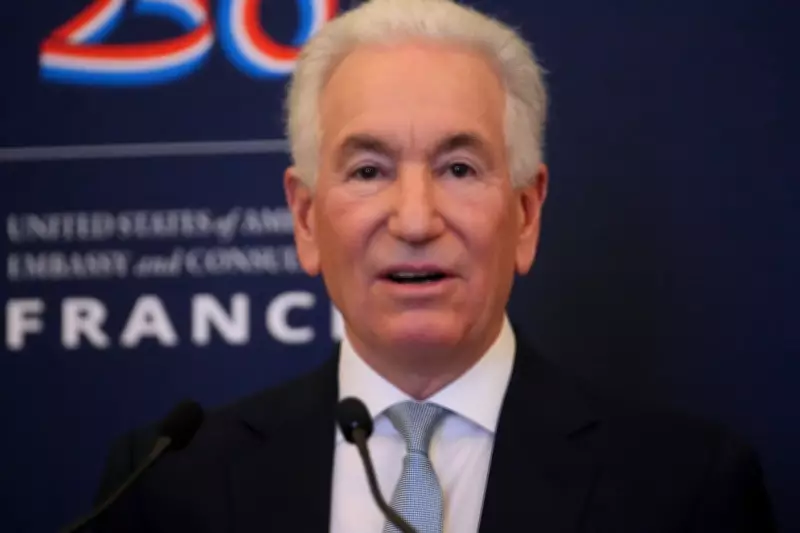
Charles Kushner has been a prominent figure in U.S.-France relations, notably giving a news conference in Paris in December 2025 to mark the 250th birthday of the United States. His absence from the summons has raised questions about the underlying issues prompting the call, though specific details remain confidential at this time.

Implications for U.S.-France Relations
The revocation of government access is a rare and severe measure in international diplomacy, typically reserved for cases of non-cooperation or breaches of trust. It restricts the ambassador's ability to engage with French governmental bodies, potentially hindering bilateral communications and cooperation on key issues such as trade, security, and environmental policies.
This incident occurs against a backdrop of ongoing global challenges, including economic uncertainties and geopolitical shifts. The response from the U.S. State Department is awaited, as stakeholders monitor how this development might affect broader alliances and diplomatic engagements between the two countries.
Wider Context and Reactions
While the focus is on the U.S.-France rift, other international news highlights include Canada's warnings to travellers amid violence in Mexico and various domestic incidents across Canadian provinces. However, the diplomatic standoff between France and the United States stands out due to its potential to influence international relations and policy coordination.
Experts suggest that such actions could lead to further strains if not addressed promptly through dialogue. The situation emphasizes the importance of adherence to diplomatic norms and the consequences of perceived disrespect or negligence in high-stakes international affairs.
As this story develops, updates on any resolutions or escalations will be closely watched by global observers, with implications for diplomatic practices worldwide.